Welcome to
St Mary
the Blessed Virgin
Parish Church
Exbourne
A Place of Worship and Community
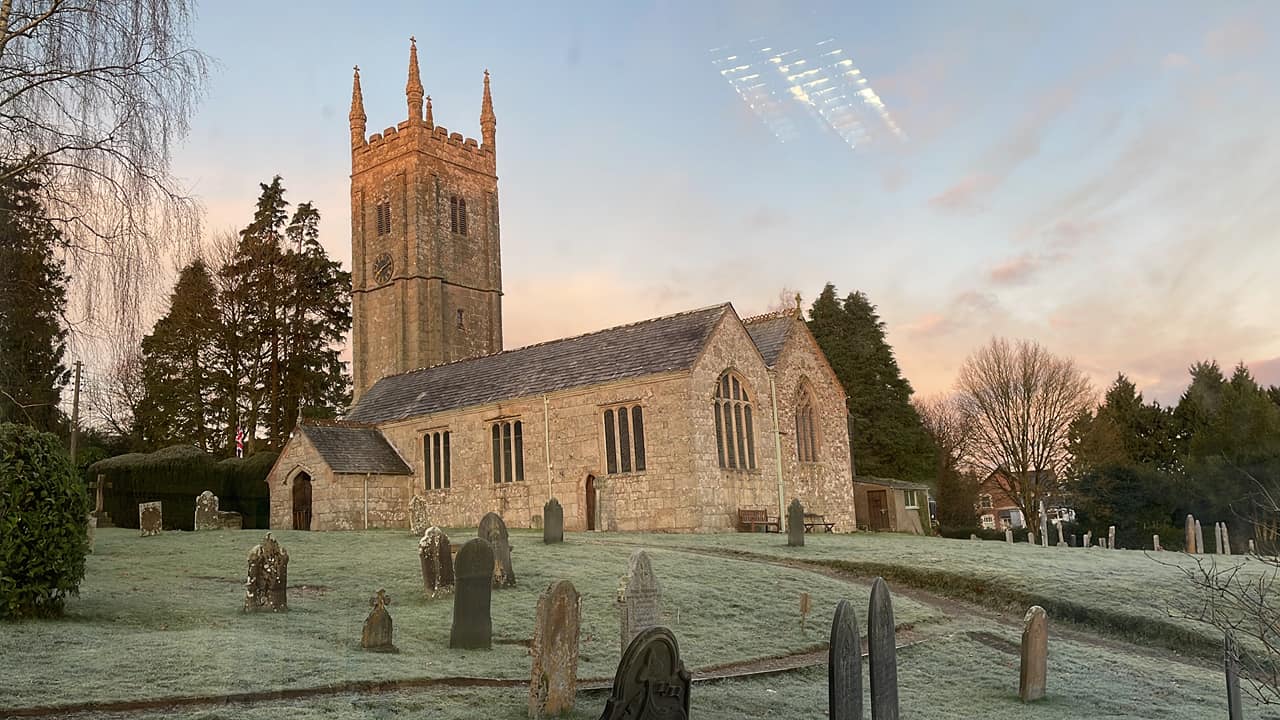
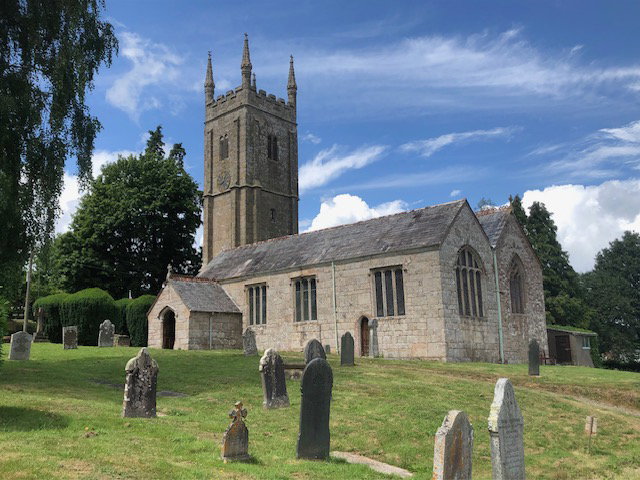
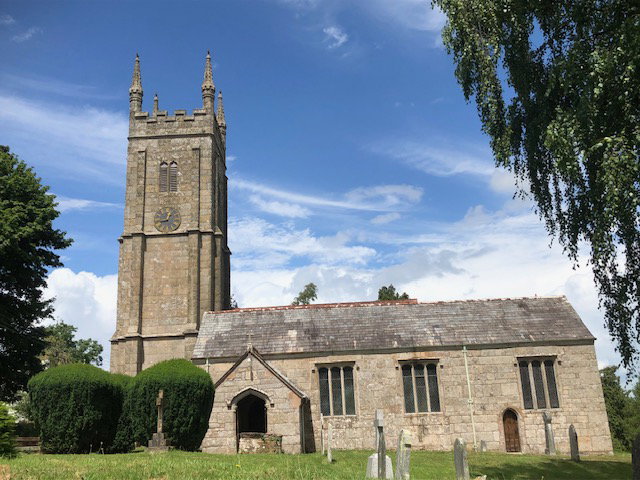
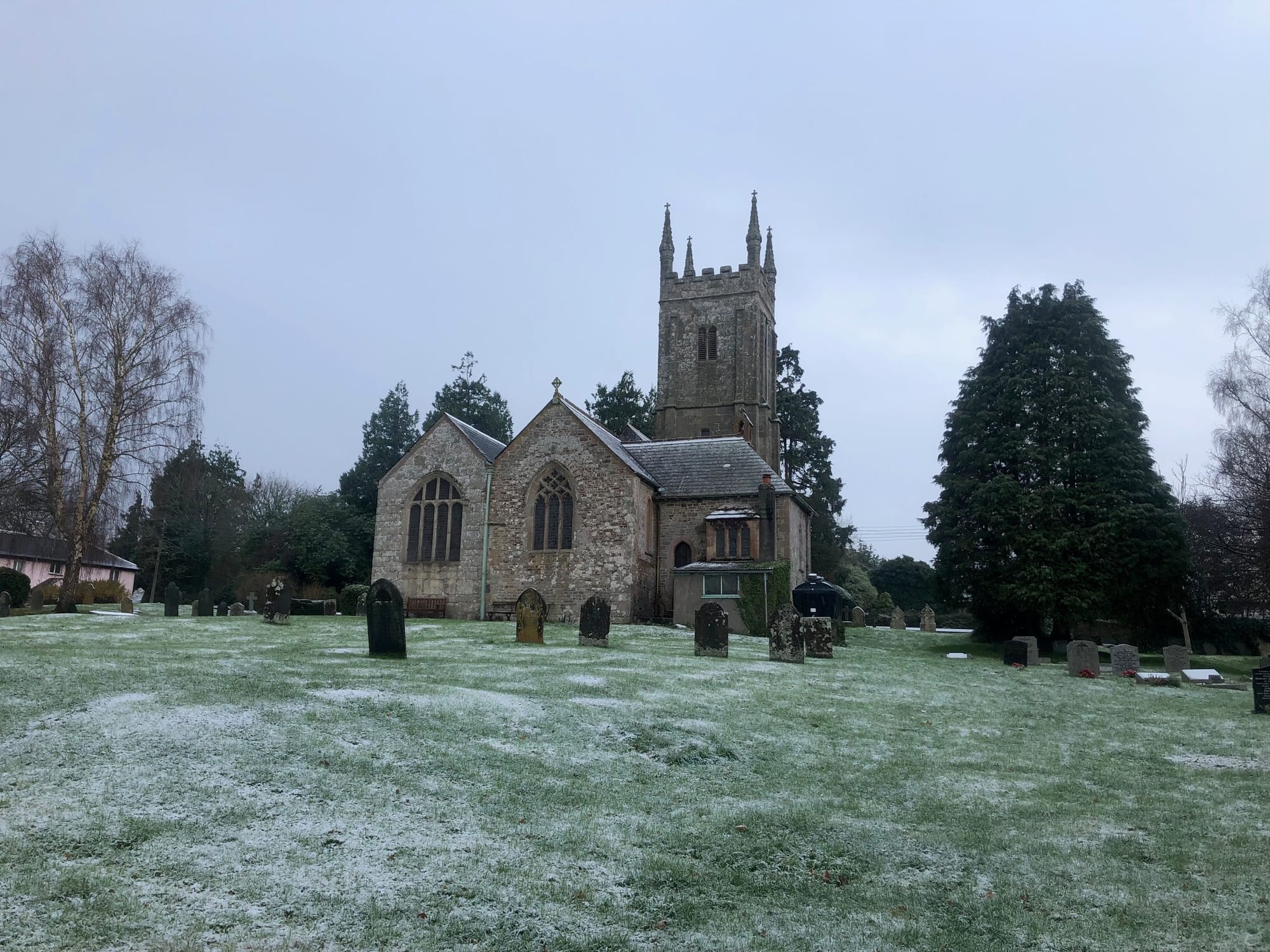
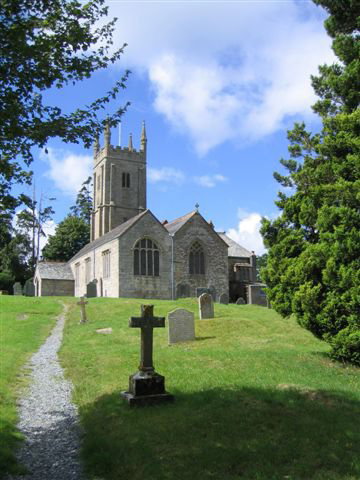
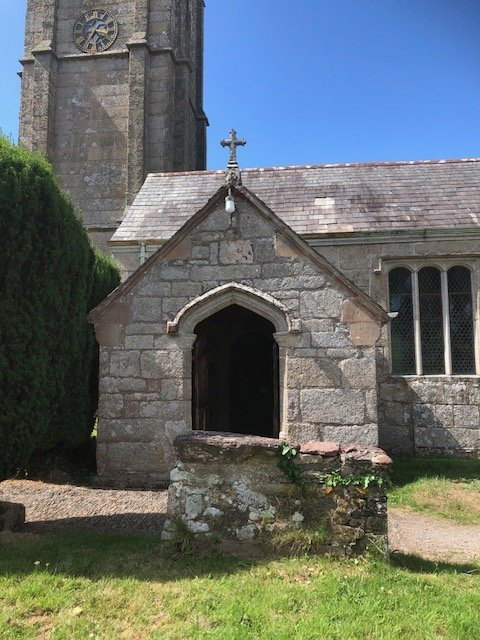
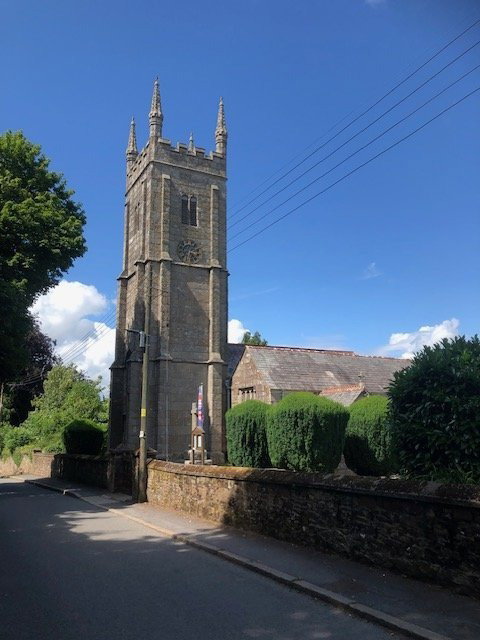
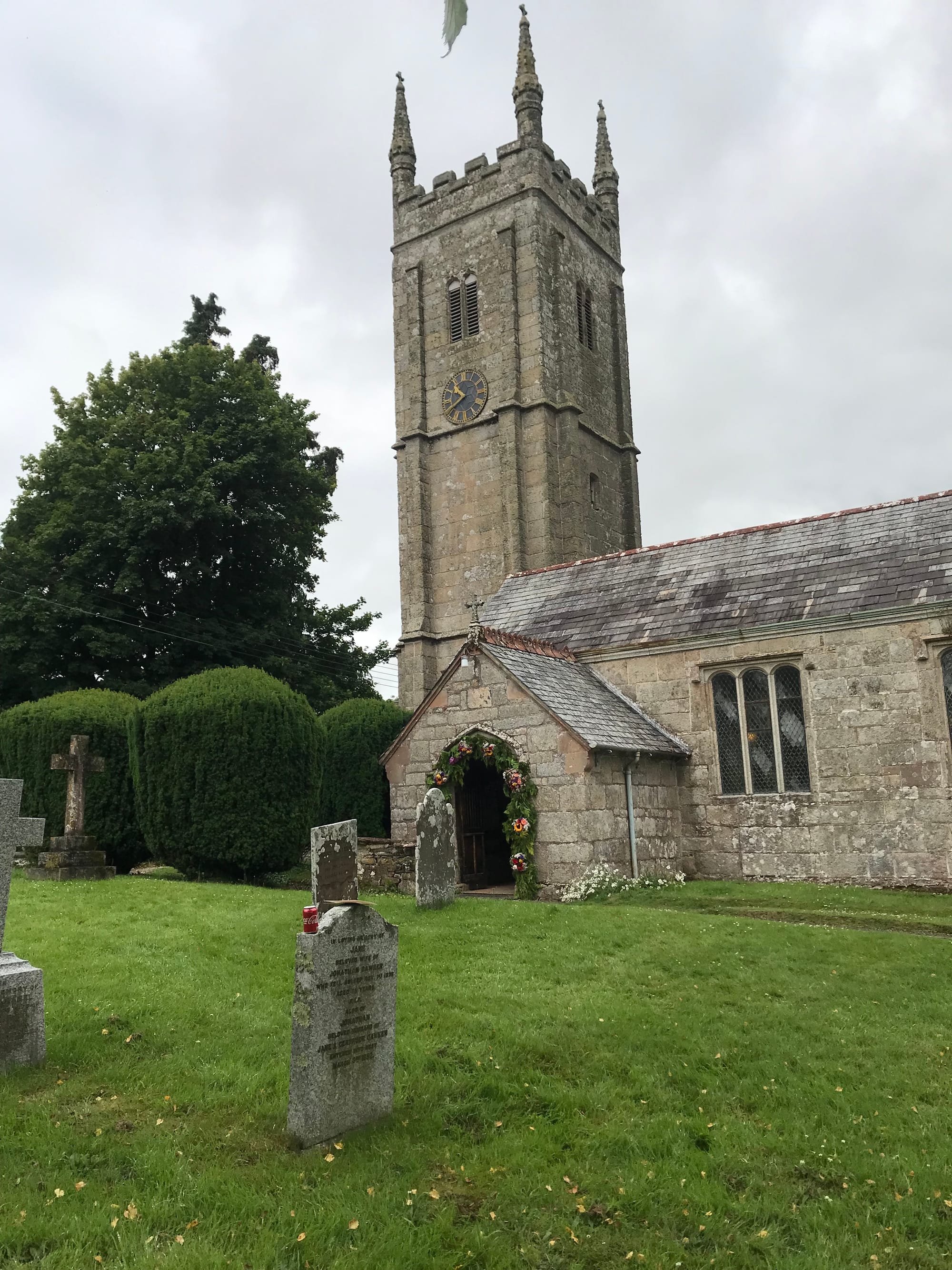
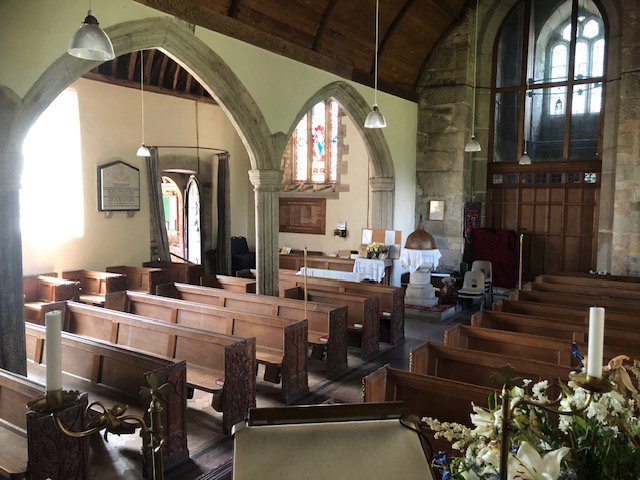
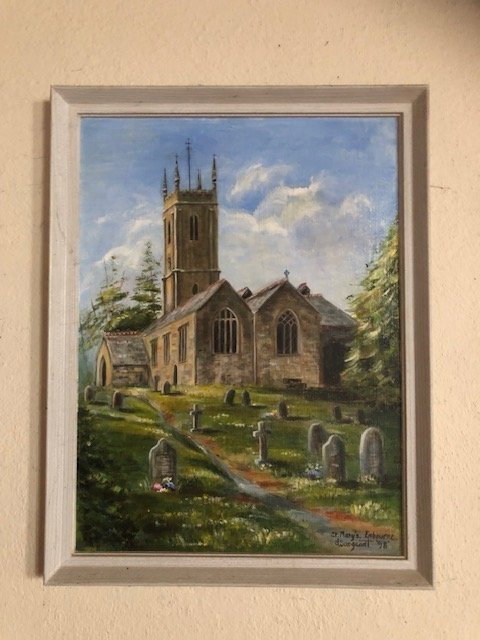
The ancient granite church of St Mary the Blessed Virgin has stood at the heart of the Devon village of Exbourne since at least the time of the first recorded Rector, William de Molys, in 1266. The church comprises features of the Early English, Decorated and Perpendicular styles of architecture and is grade ll*.
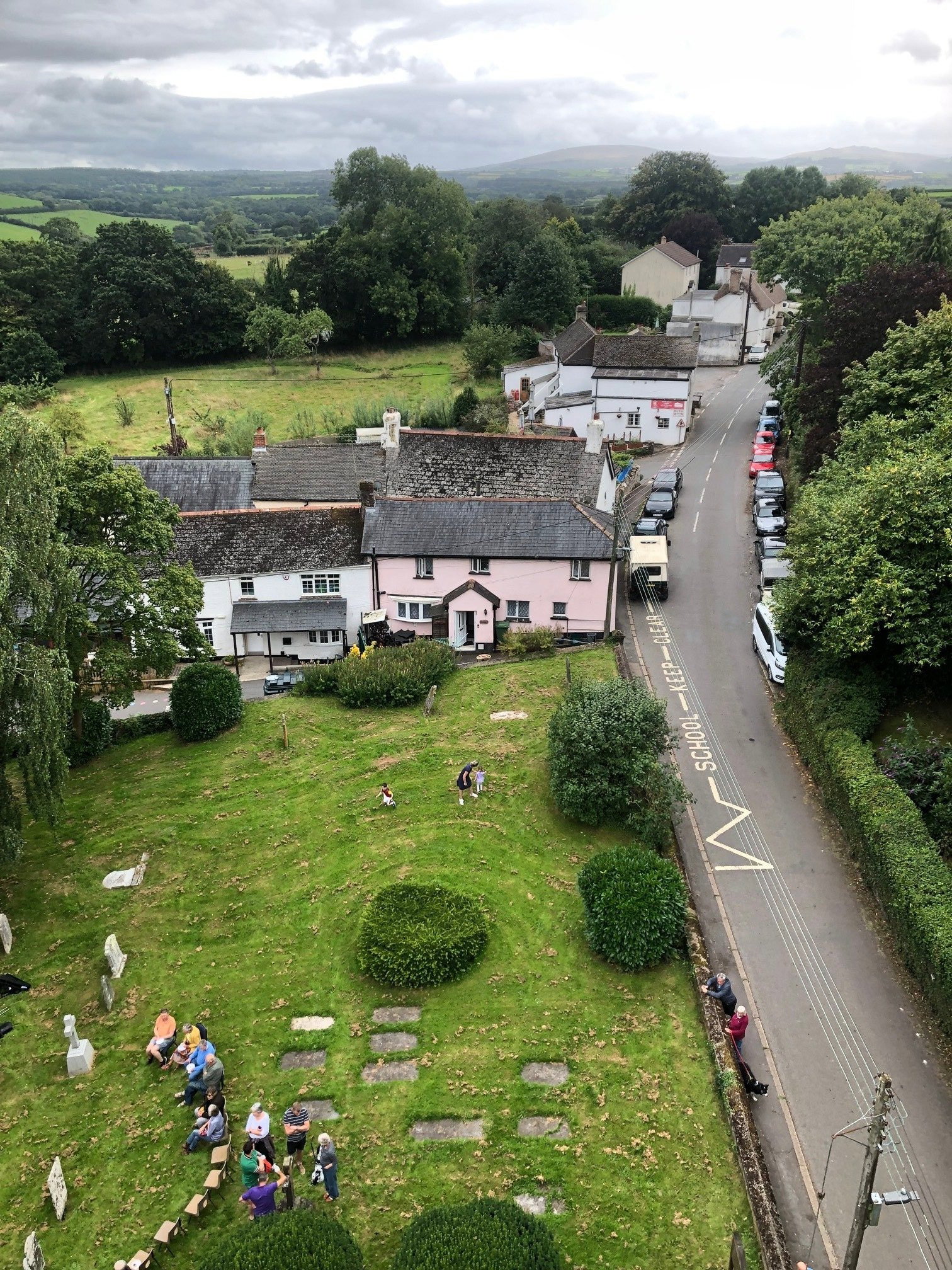
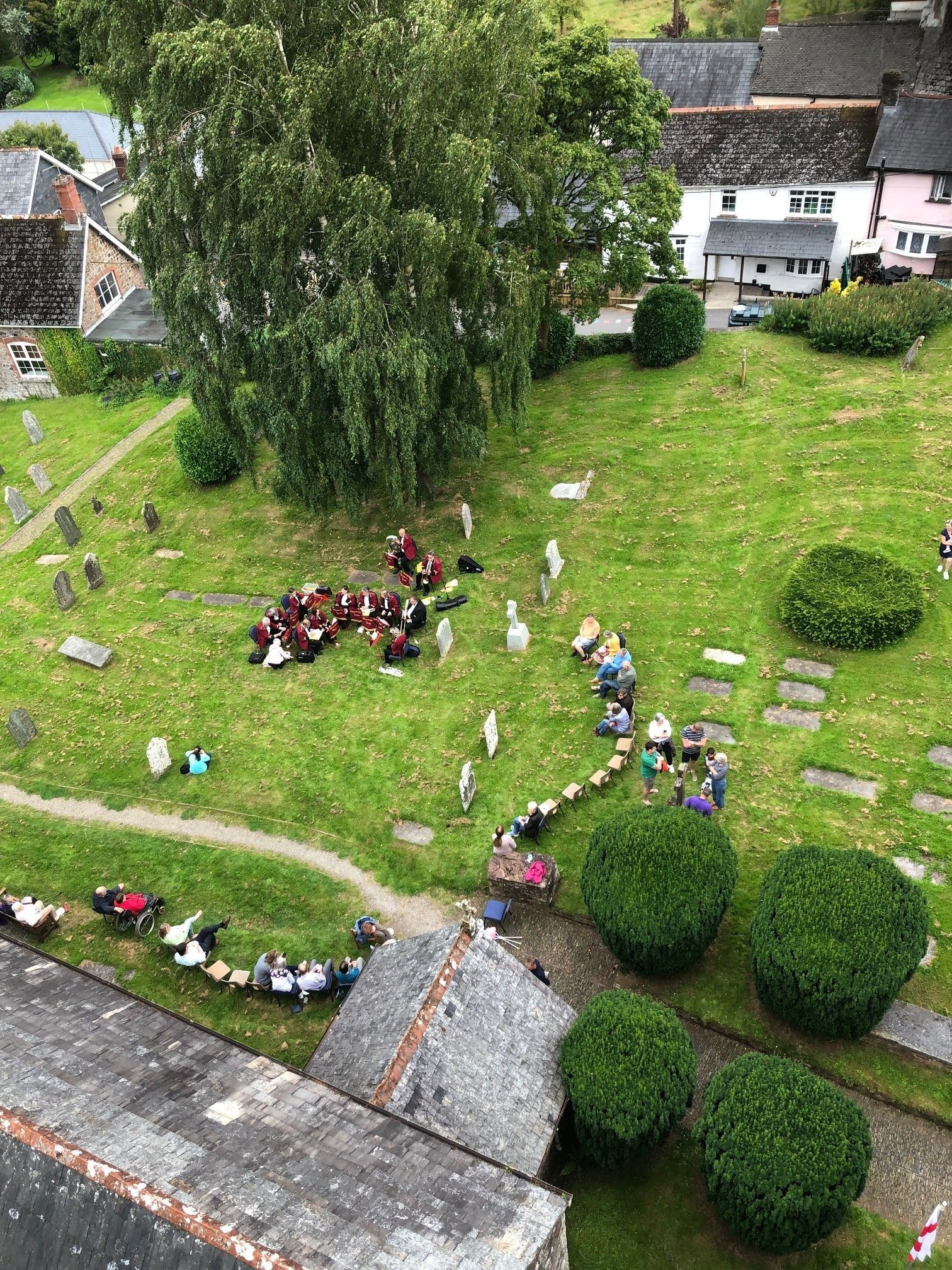
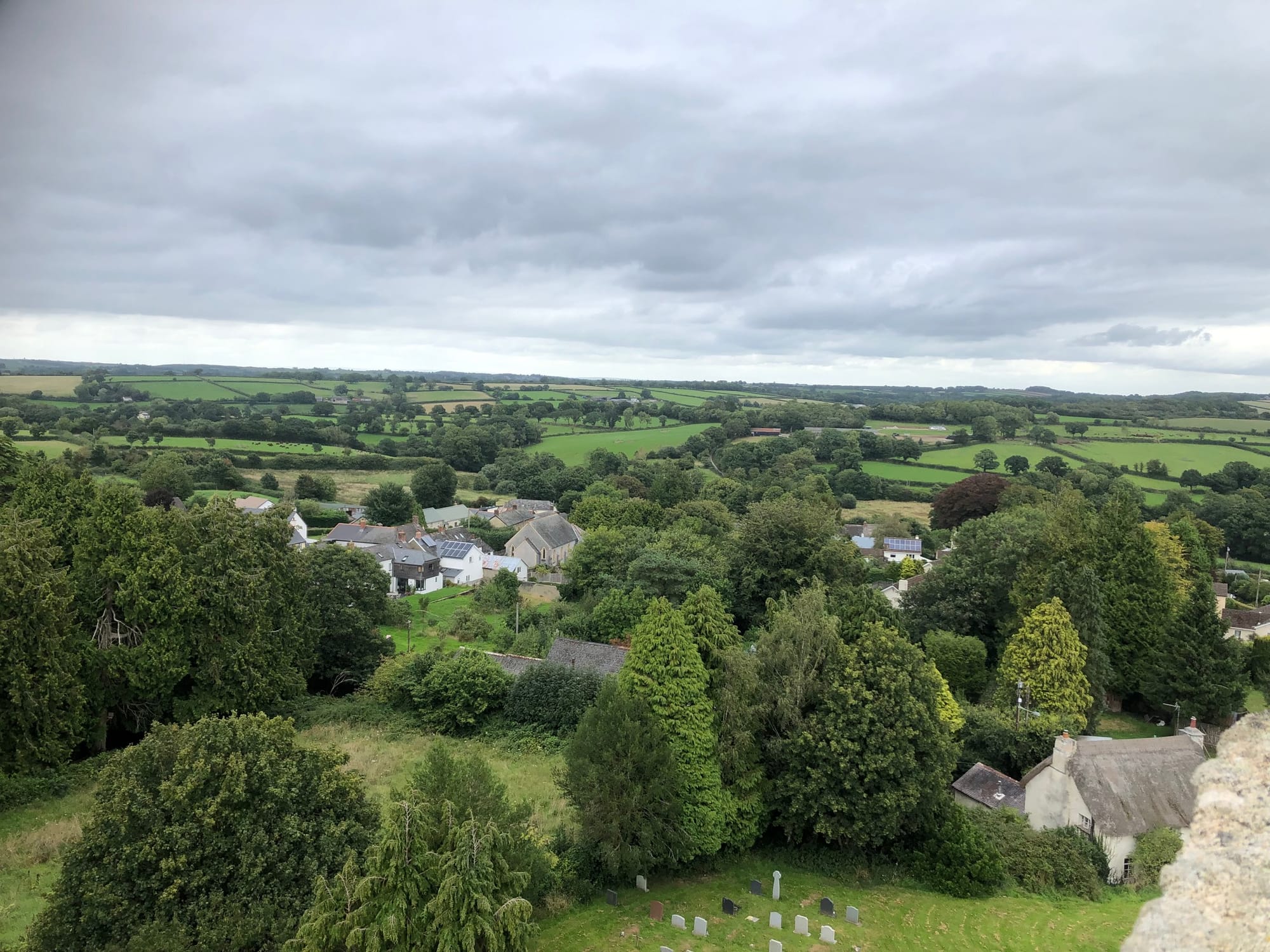
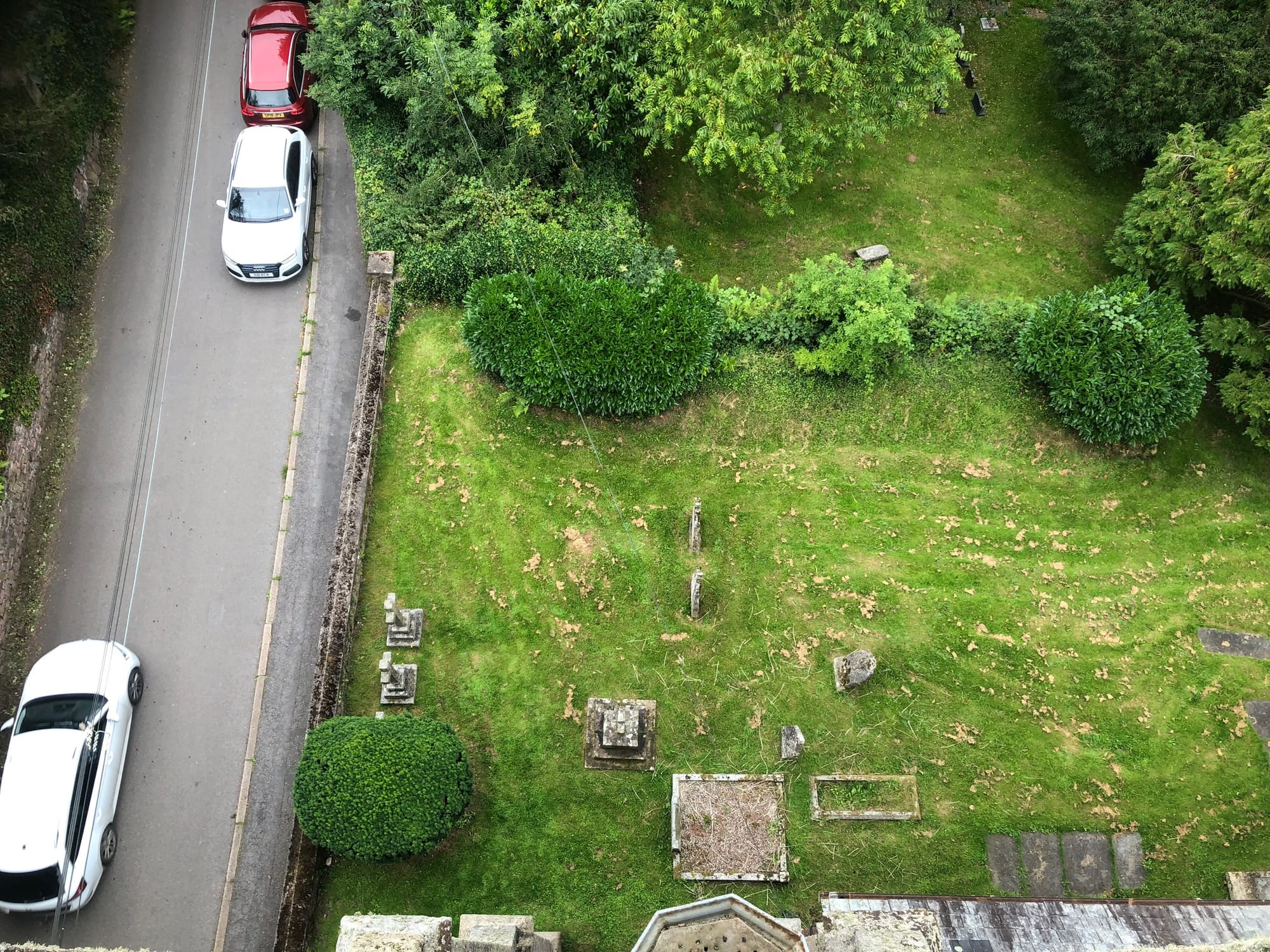
The churchyard was laid out in 1886-7 and nearby stand the ruins of the ancient church house built in 1506-7. Burials and the interment of ashes continue to this day. There is a gateway from the schoolyard into the churchyard which ensures the safe access of the children to and from the church. The Church of England primary school adjacent to the churchyard was founded in 1839.
Events
Safeguarding

It is of the utmost importance to us to make our church a safe place for all who come here. If you have any concerns about the safety of children or vulnerable adults, please contact Revd Leigh Winsbury or the Diocesan Safeguarding Team.

Revd. Leigh Winsbury, (01837) 810680, Email Leigh
or
The Diocesan Safeguarding Team:
- Diocesan Safeguarding Lead Costa Nassaris 01392 294969 costa.nassaris@exeter.anglican.org
- Assistant Diocesan Safeguarding Adviser James May 01392 345910 james.may@exeter.anglican.org
If you are a young person, please contact childline on 0800 1111
The PCC of this church fully endorses the “Promoting a Safer Church” Policy of the Church of England
Who's Who
Revd Leigh Winsbury
Team Vicar
Michael Winter OBE
Lay Minister
Michael Winter OBE has been a Reader (now known as a Lay Minster) at St Mary’s since 1993. He also chairs meetings of the PCC and acts as the Church Safeguarding Officer. He is a Lay Canon at Exeter Cathedral and in his day job is a professor at the University of Exeter.
Tim Hawkins
Church Warden
Services
Weddings
St Marys Church is the ideal Church wedding setting seating up to 100 people. An organist & bellringers are available if required.
Learn MoreChristenings
A joyous occasion, baptism is when you want to celebrate your baby’s birth and their inclusion in the faith with family members and closest friends.
Learn MoreThe Church
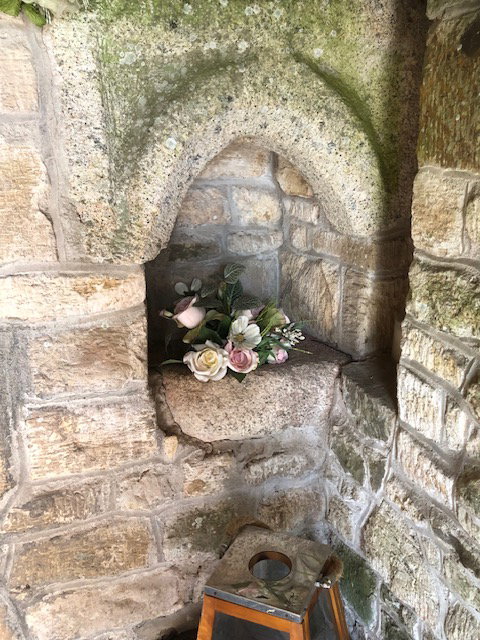
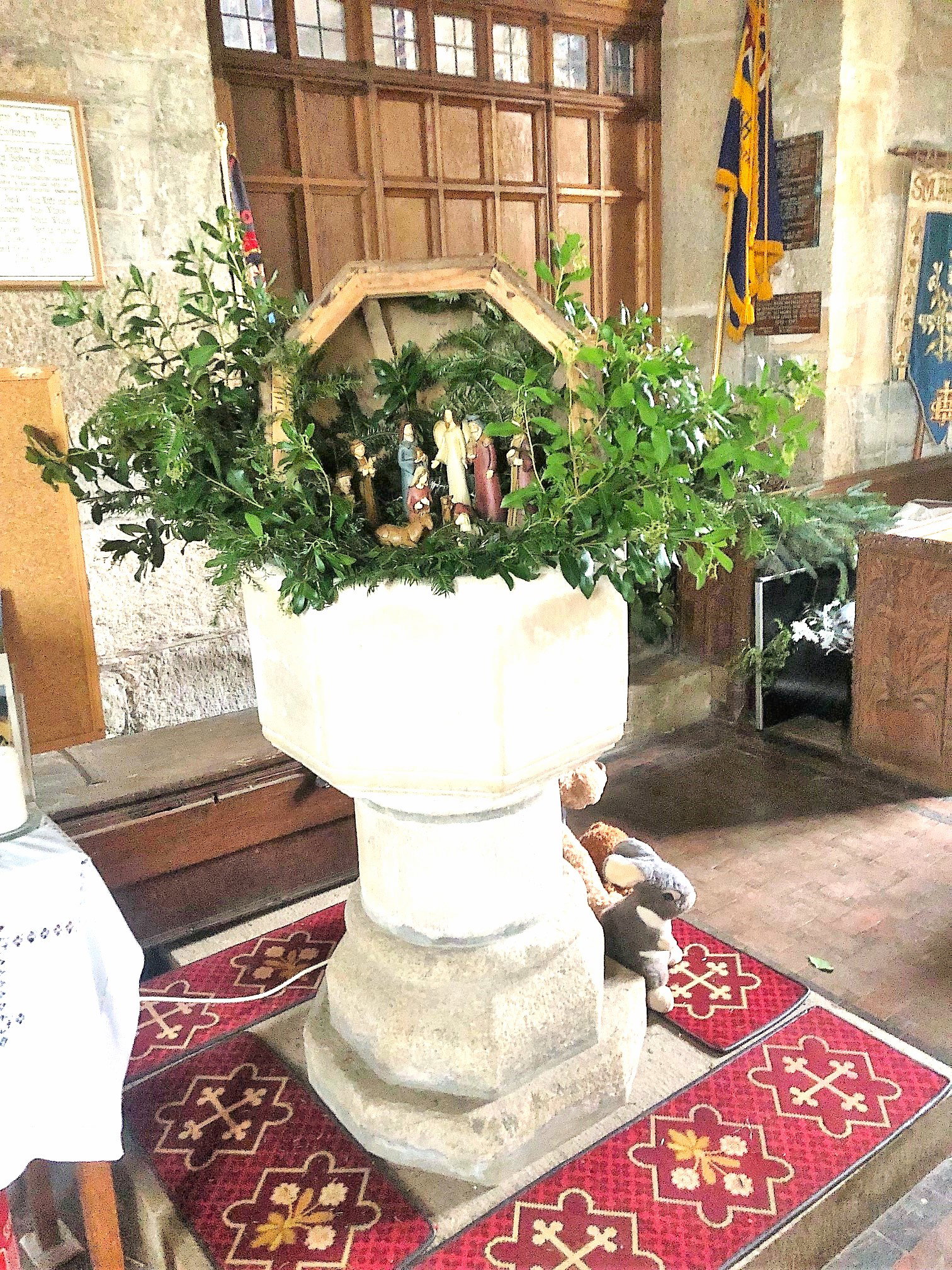
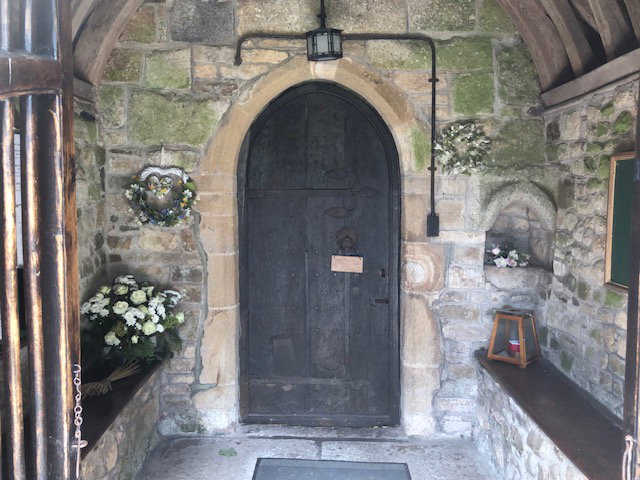
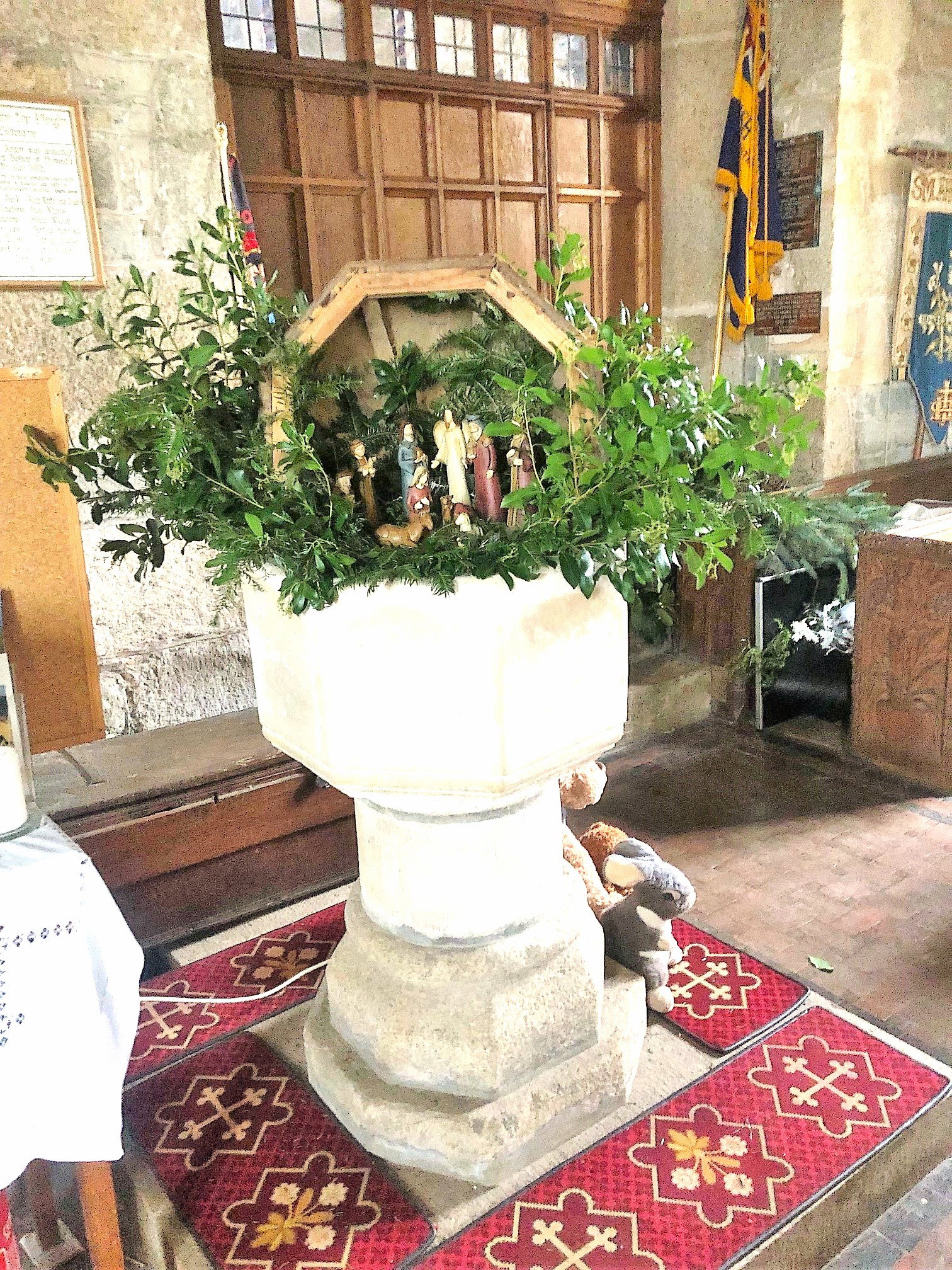
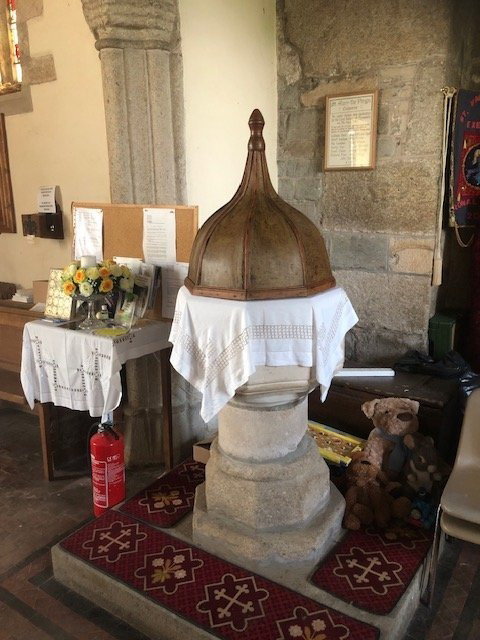
The oldest features are the piscinae (one in the porch, the other in the south wall of the chancel) and the base of the font.
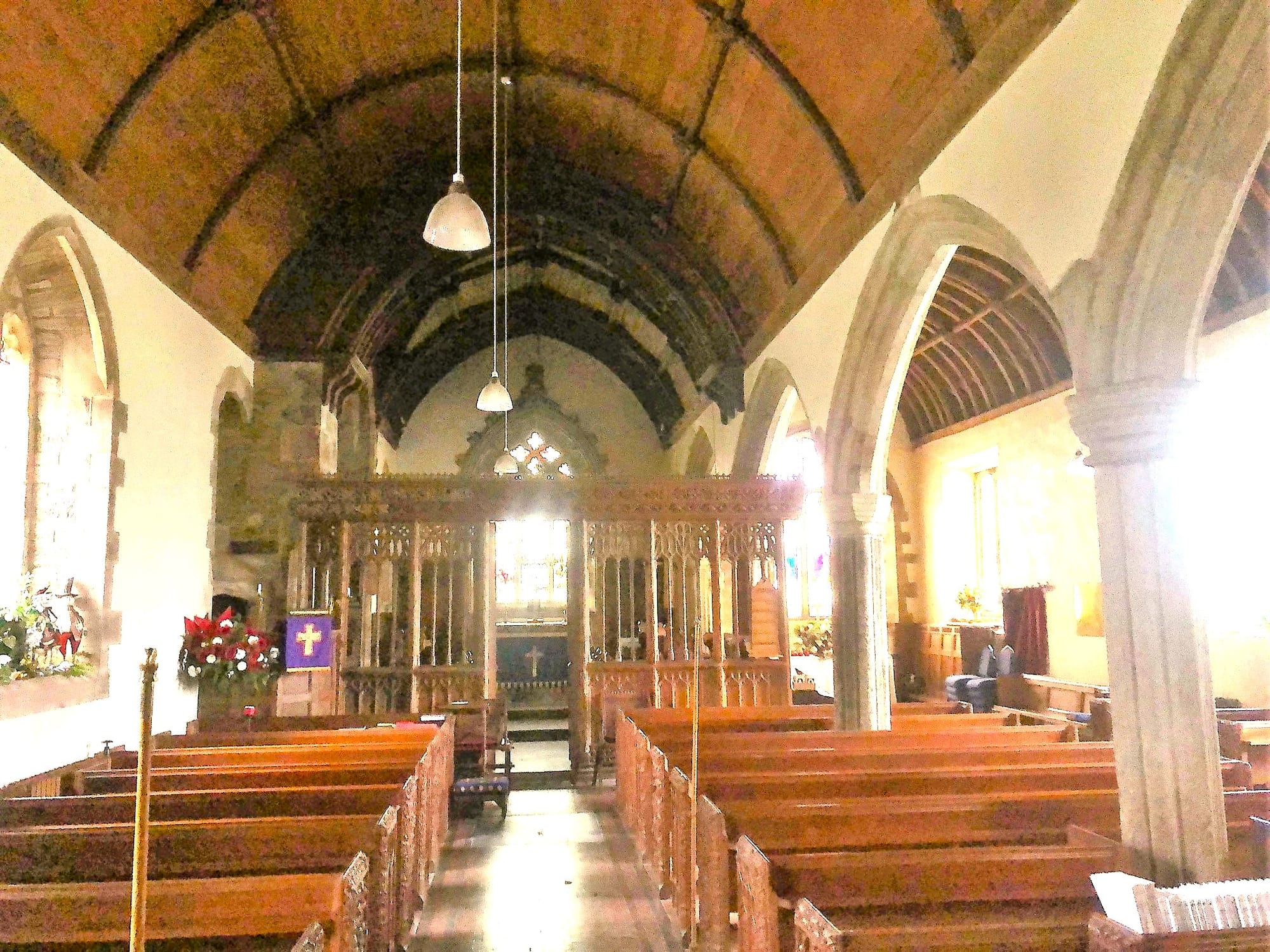
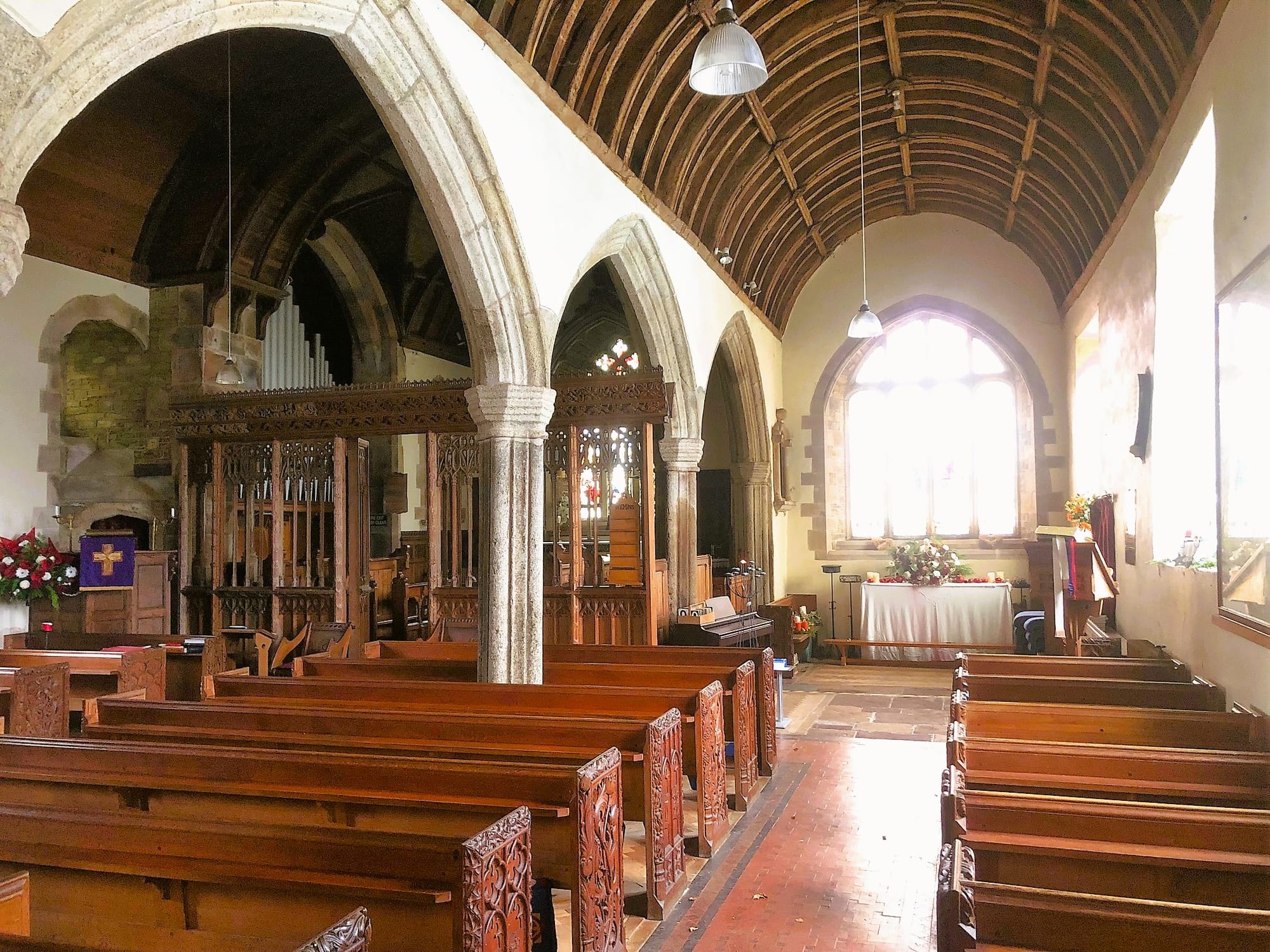
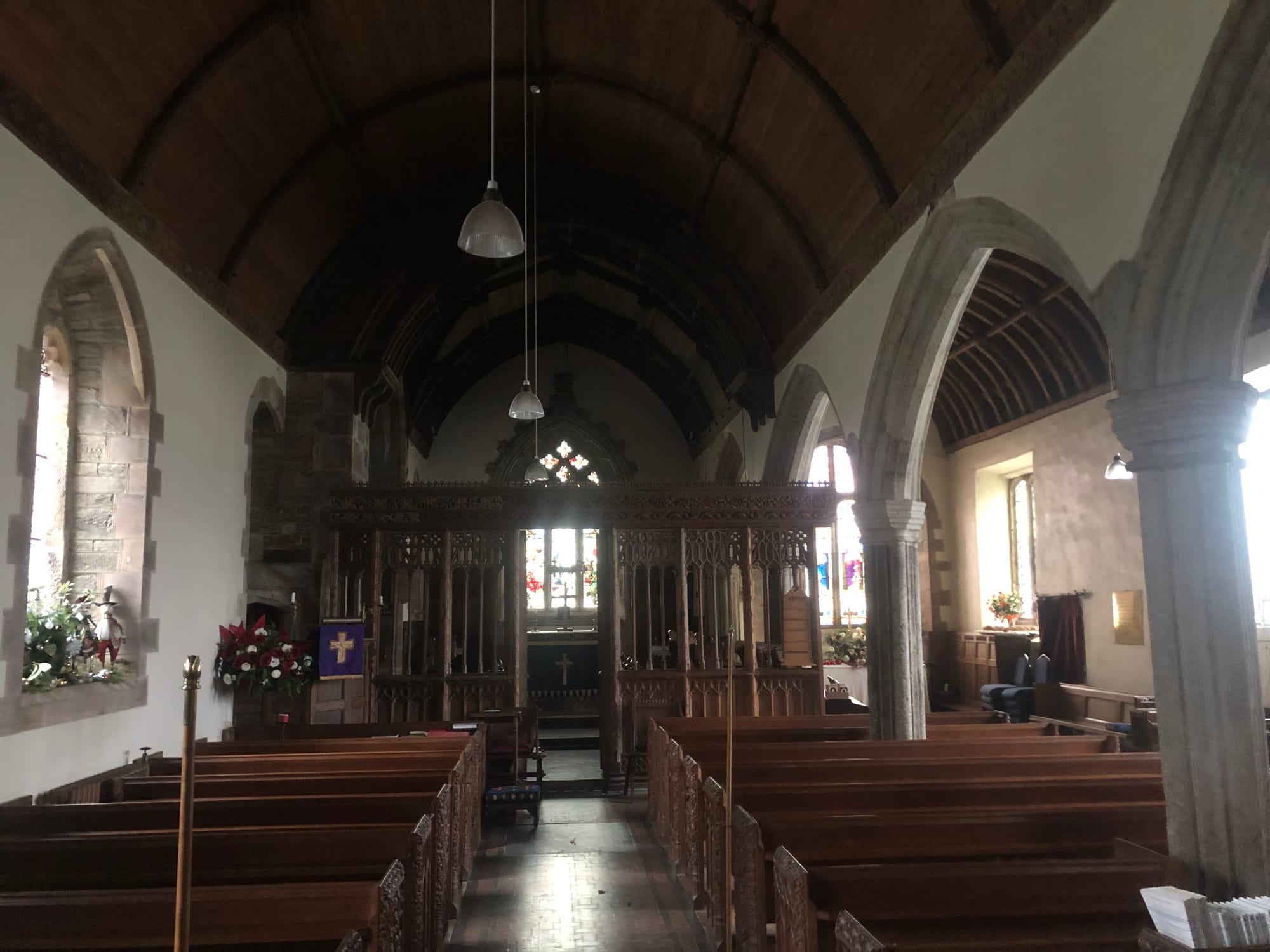
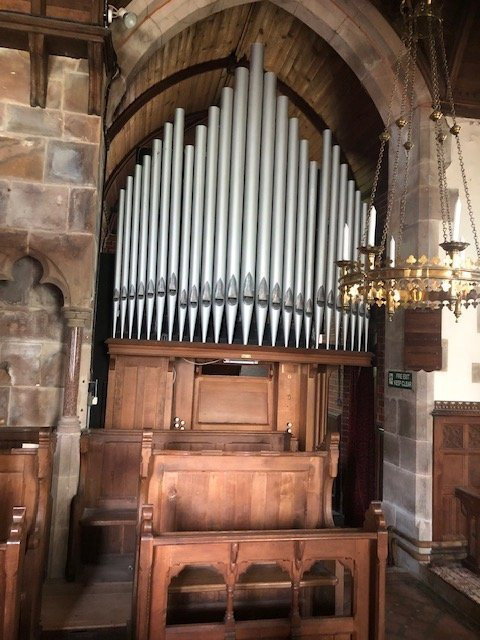
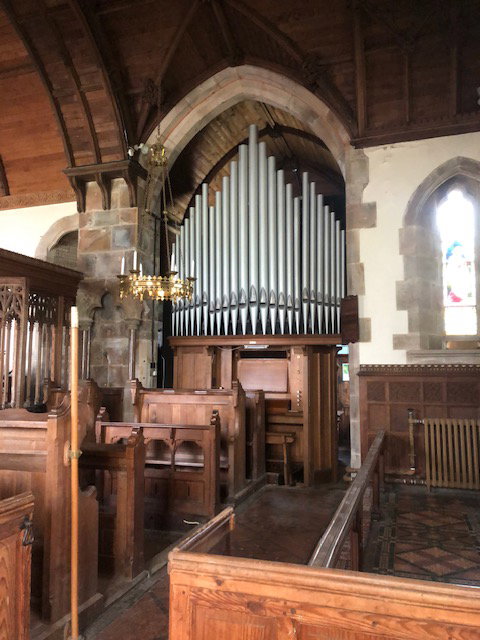
Much of the present church is fifteenth century though it was extensively restored by R M Fulford and the chancel almost entirely rebuilt in 1886-8 at a cost of £1,050. The organ chamber was added as a part of this project.
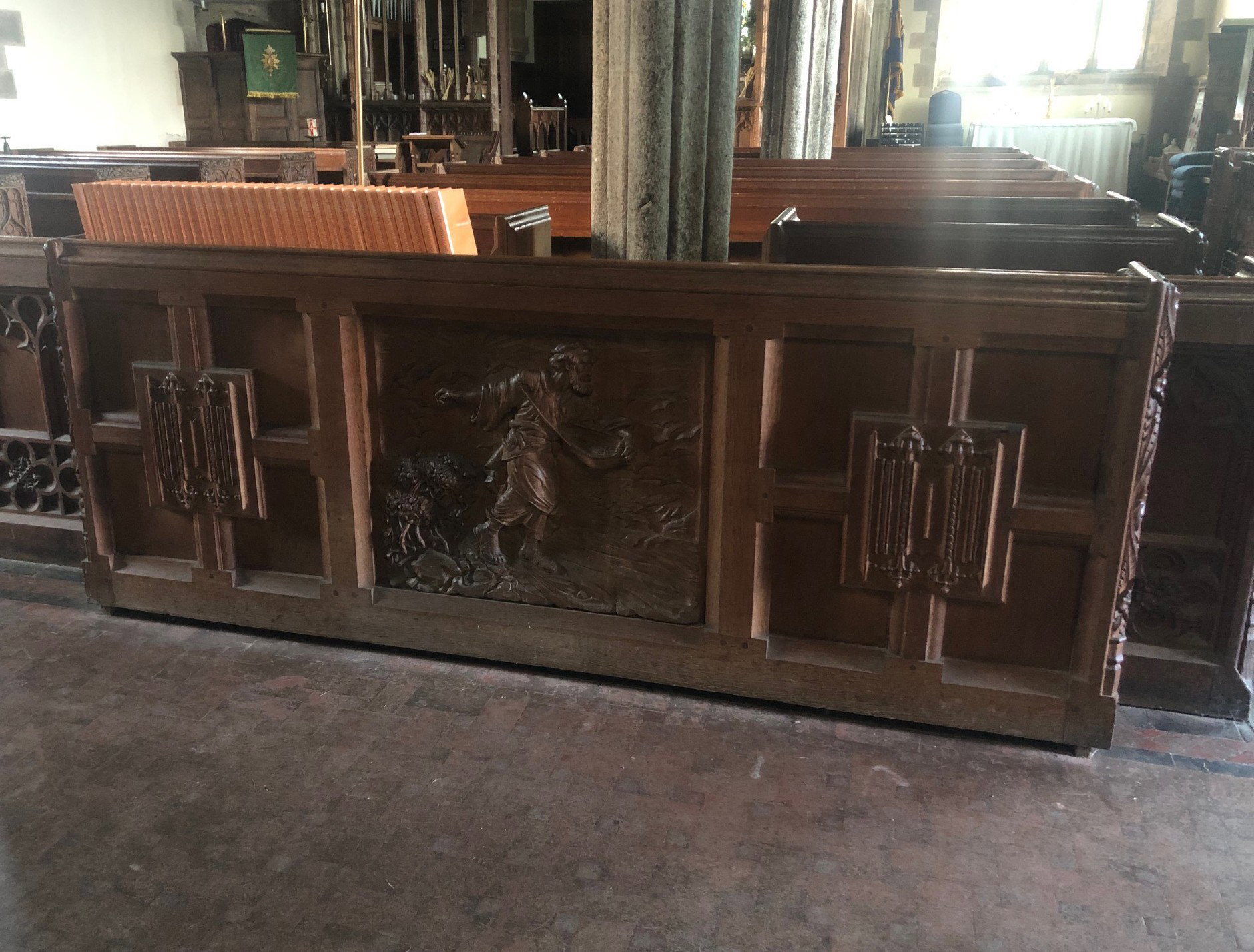
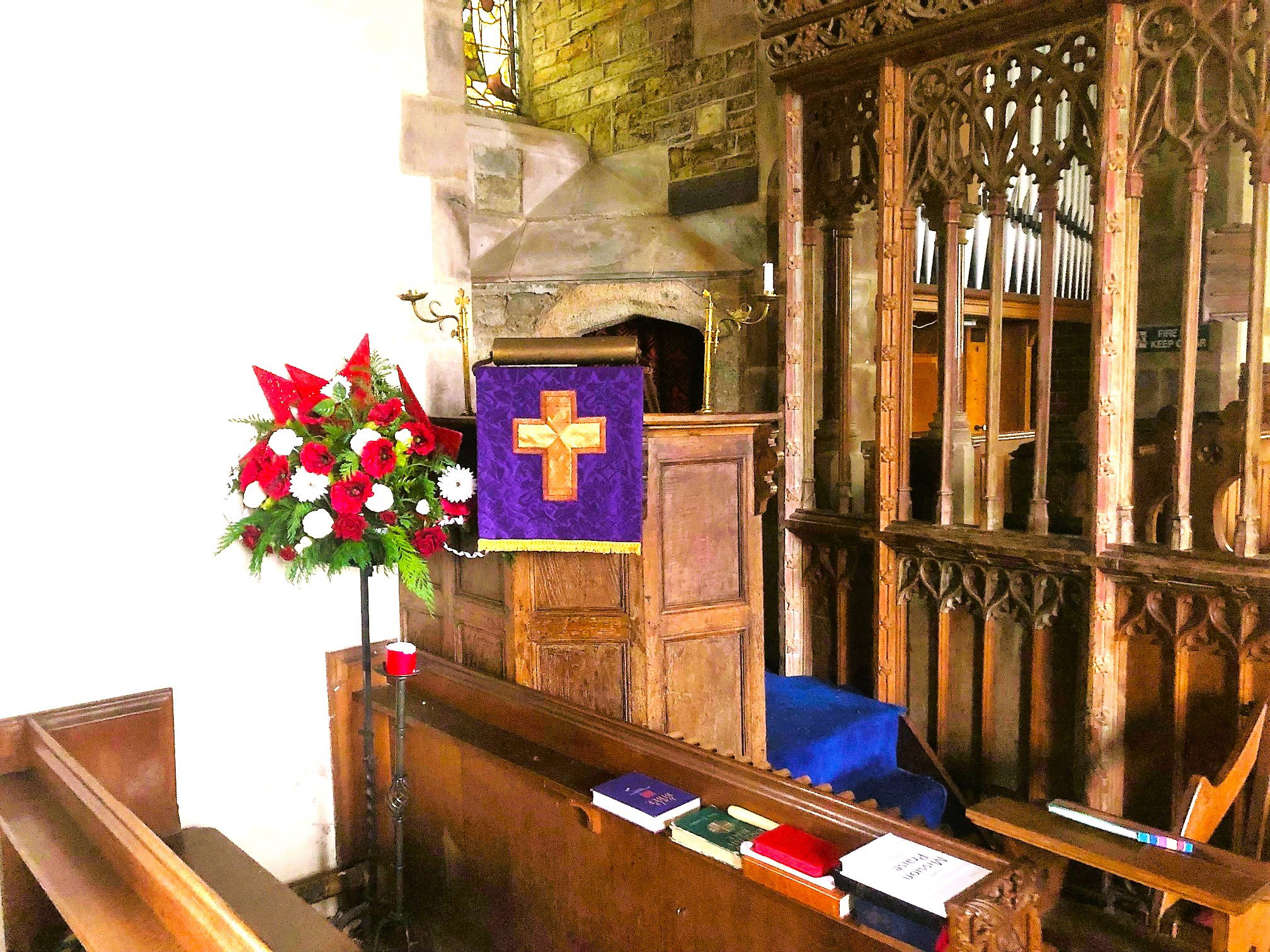
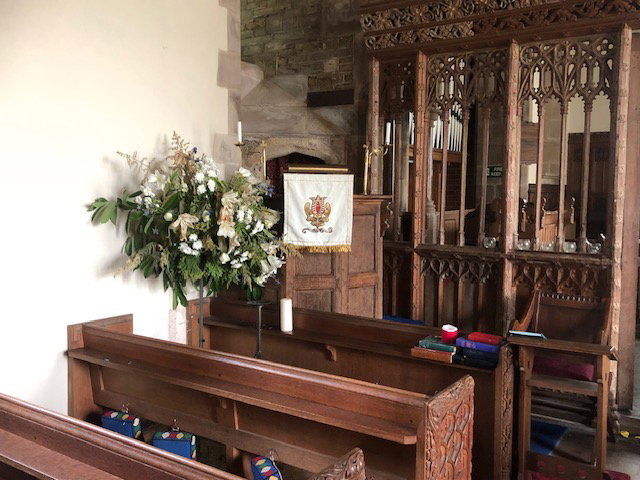
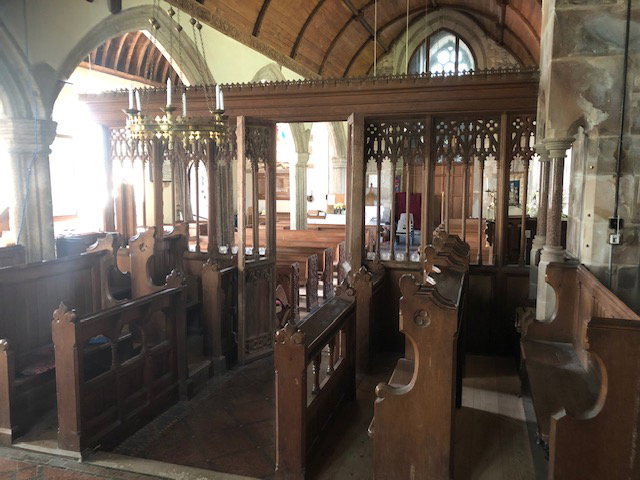
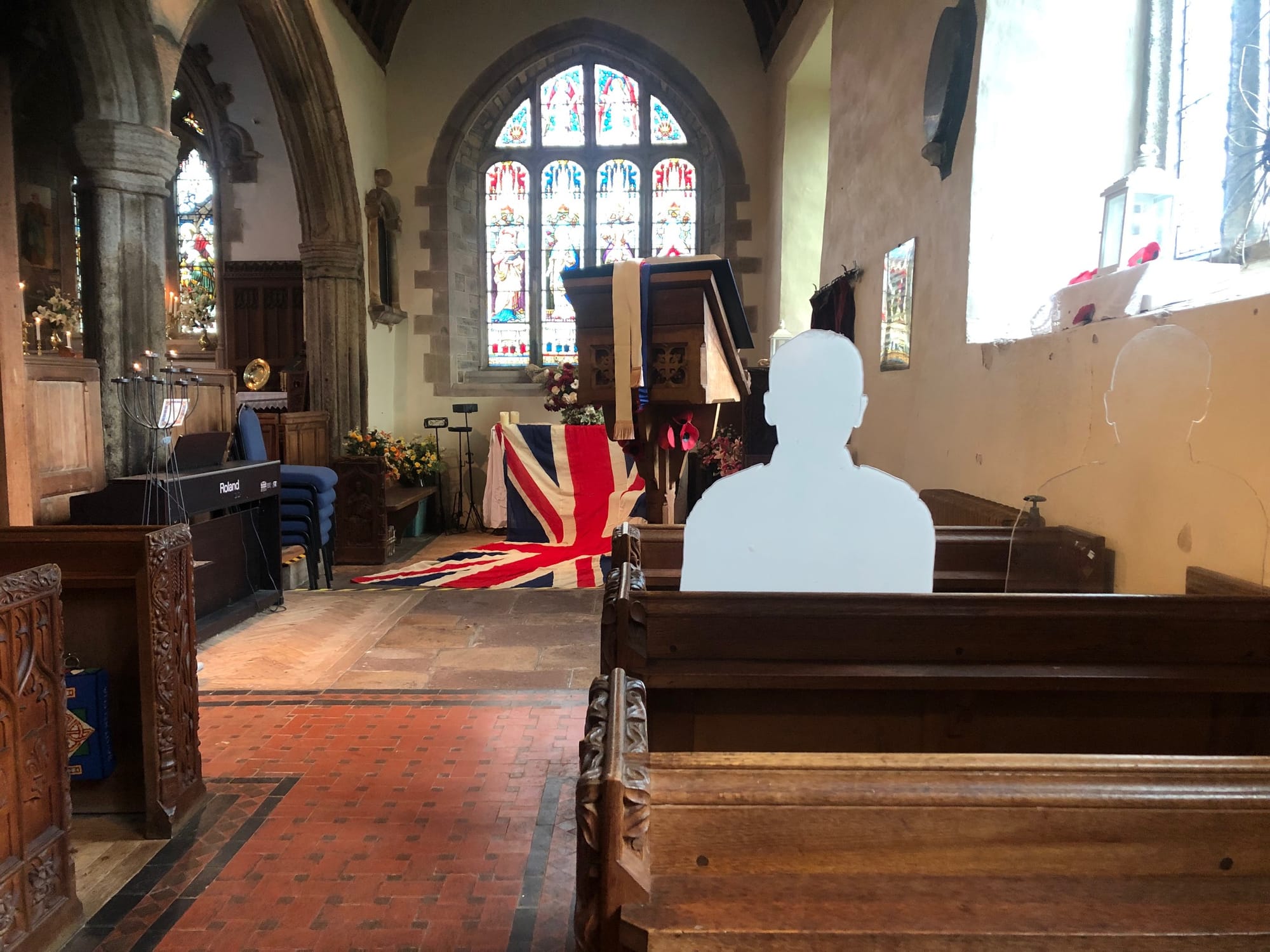
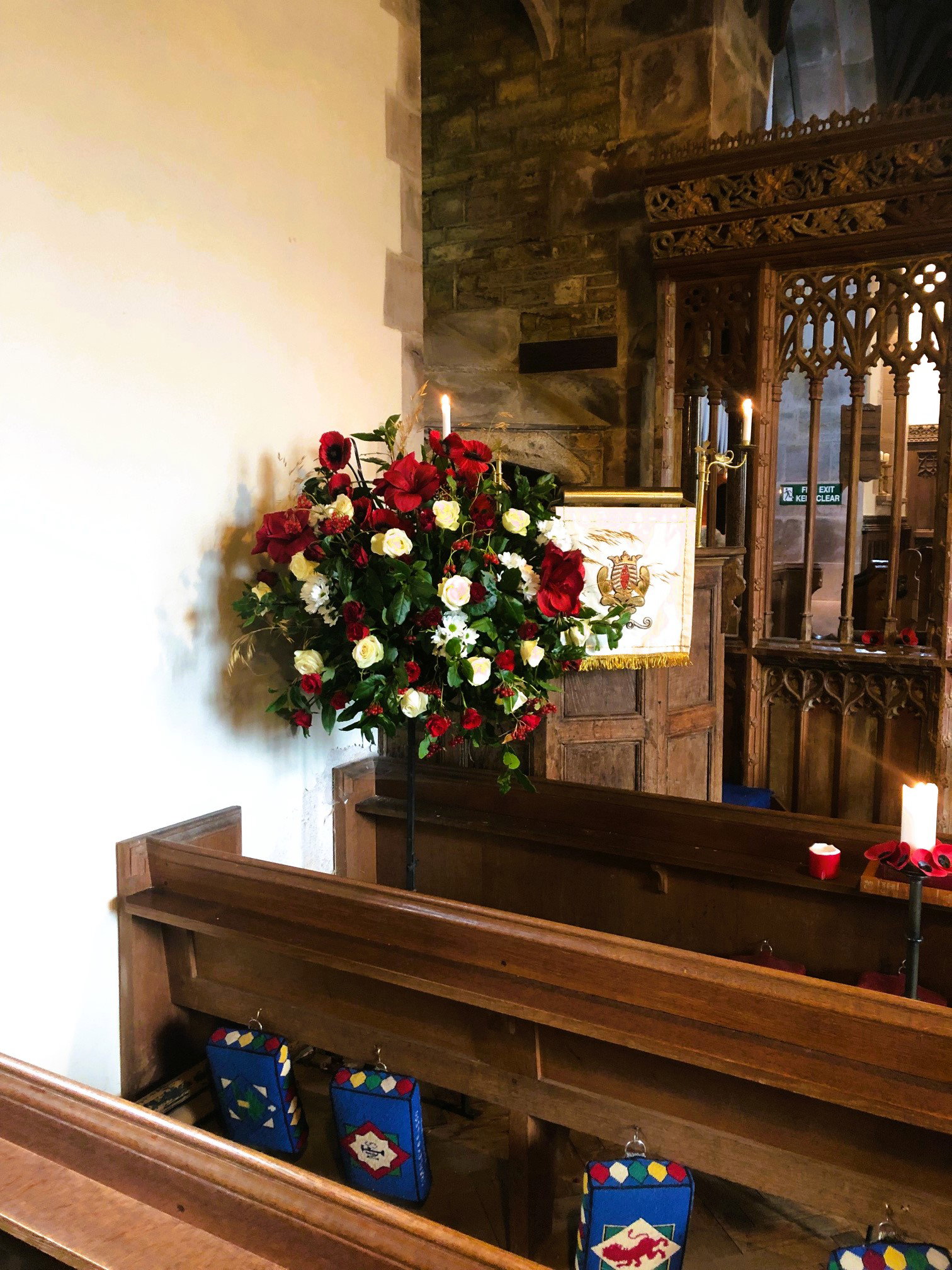
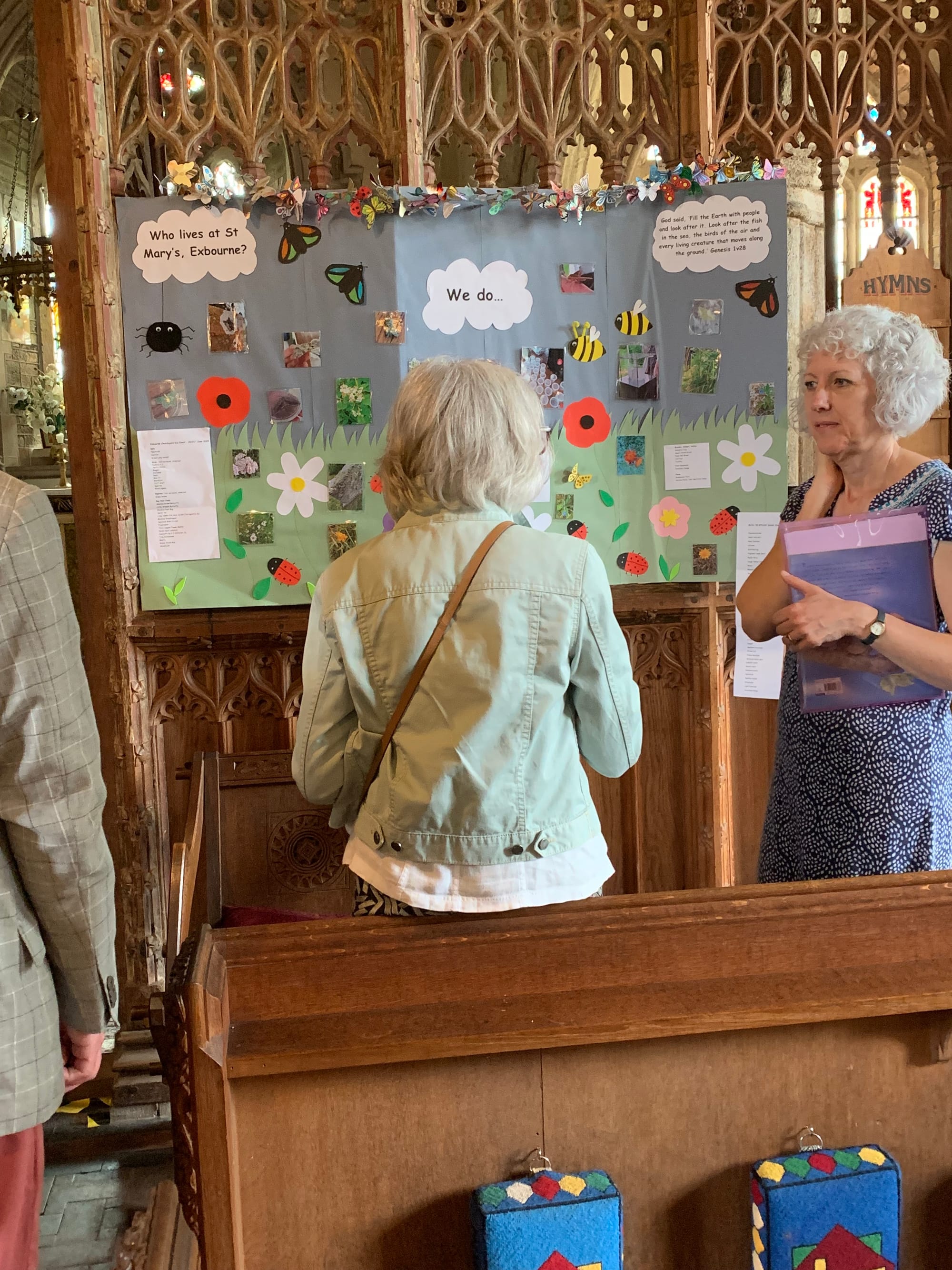
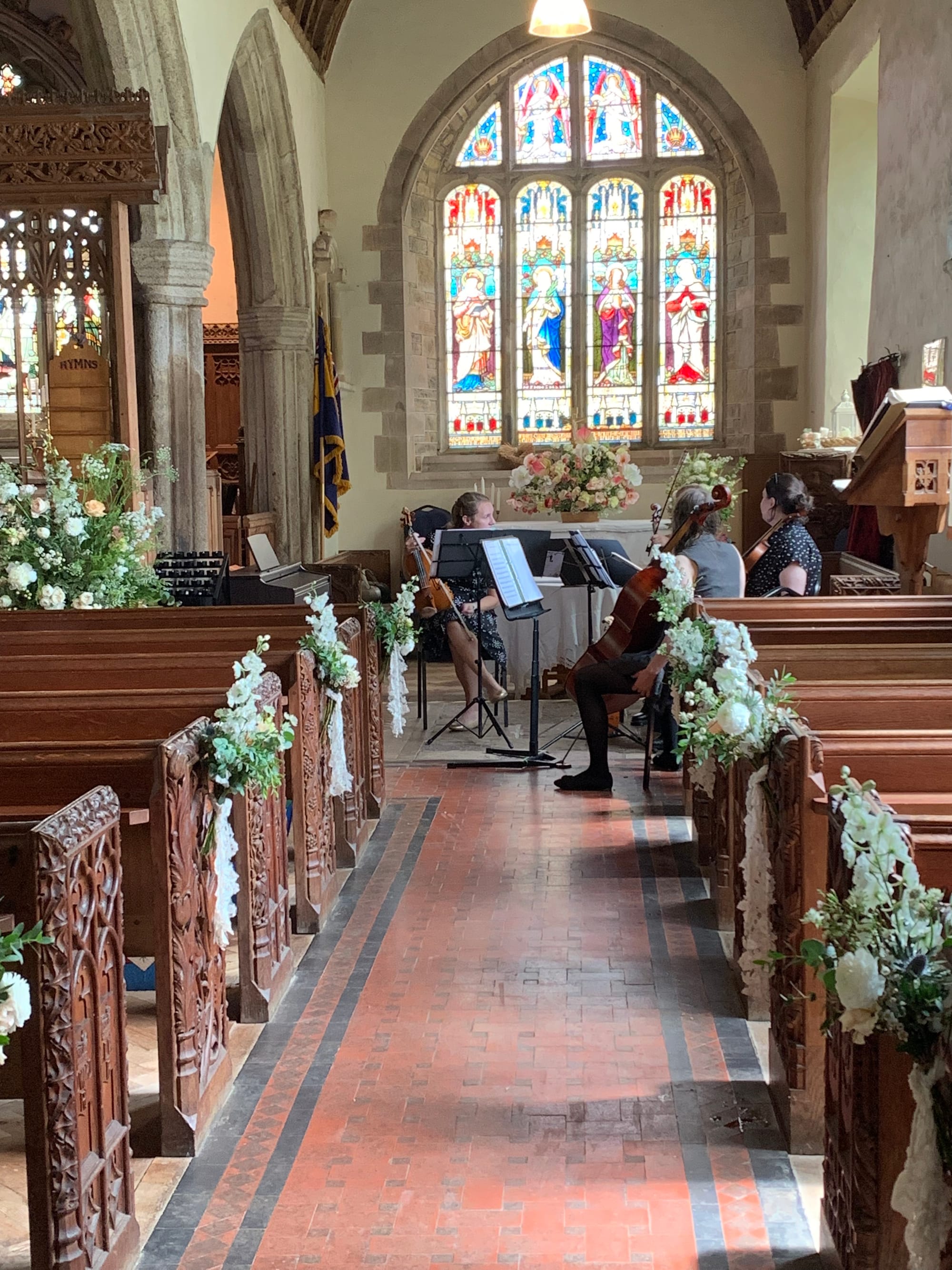
The wagon roof, which incorporates some good bosses, is characteristic of many churches in this part of the country. The rood screen first added in 1430, was removed around 1835 and the present screen which includes fragments of the original, was erected in 1899. Soon after the finely carved oak pews were also given to the church. The carving of ‘The Sower’ opposite the font is particularly impressive.
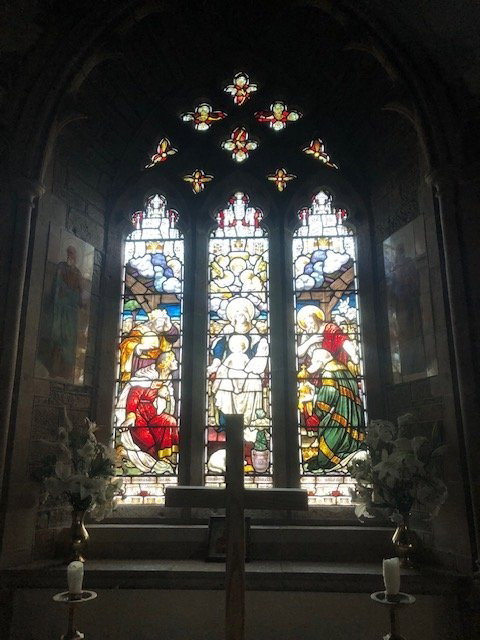
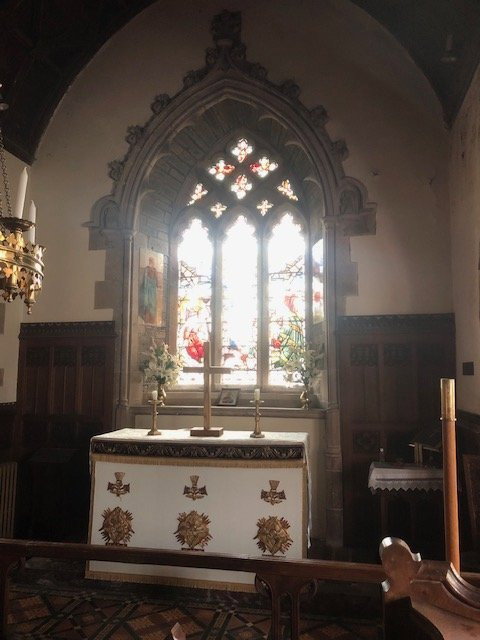
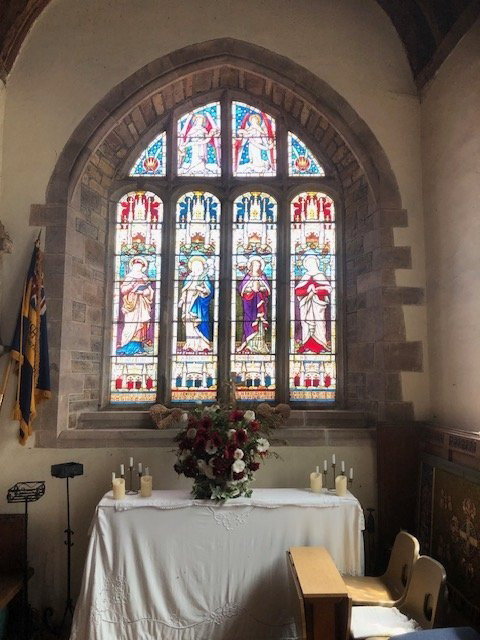
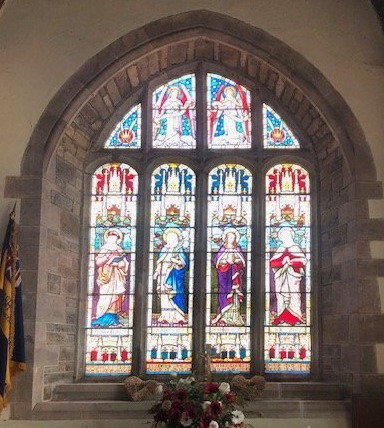
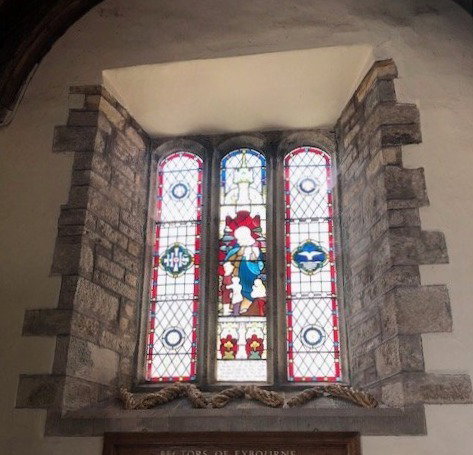
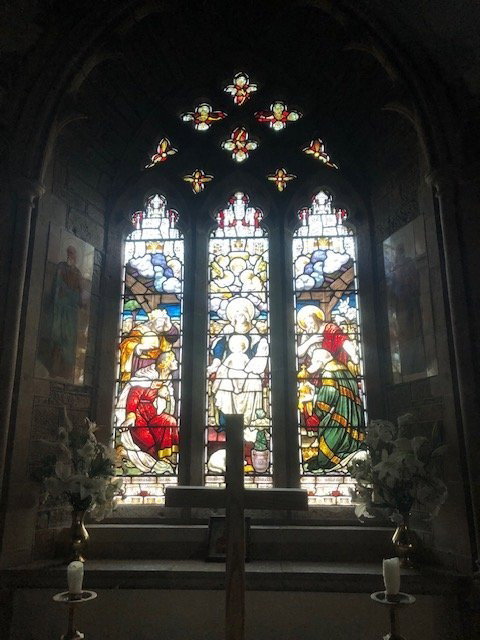
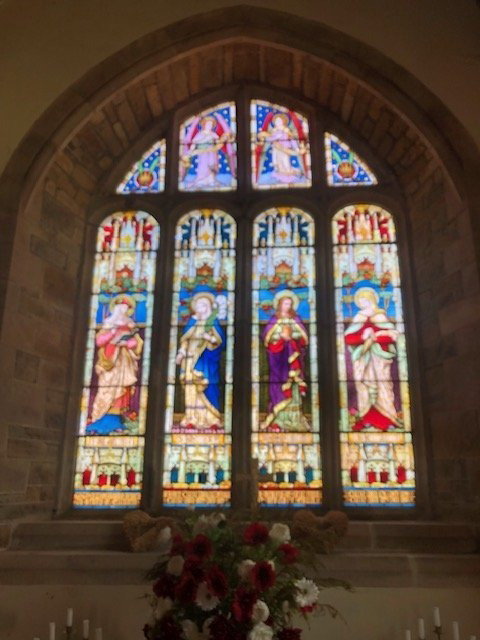
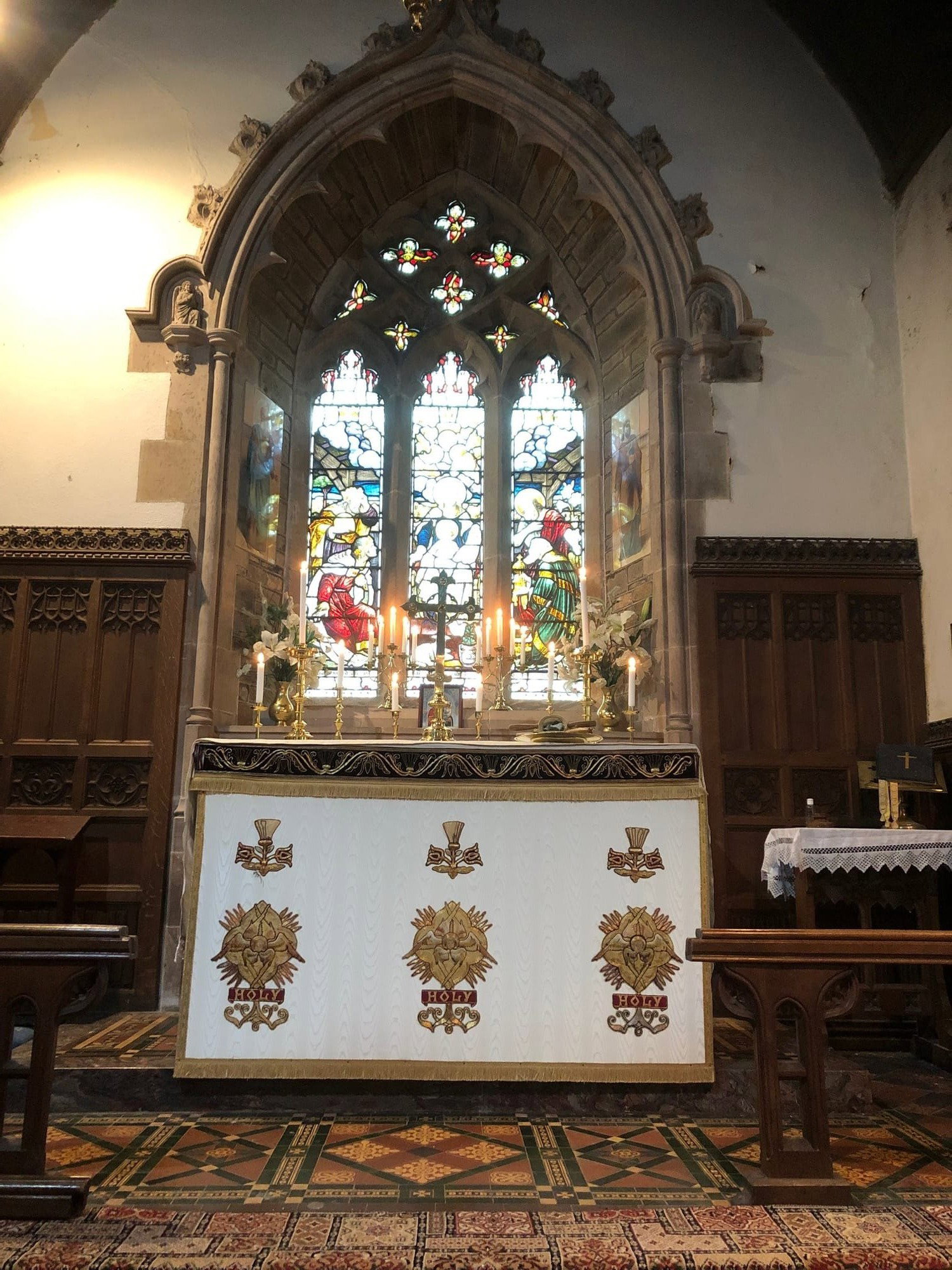
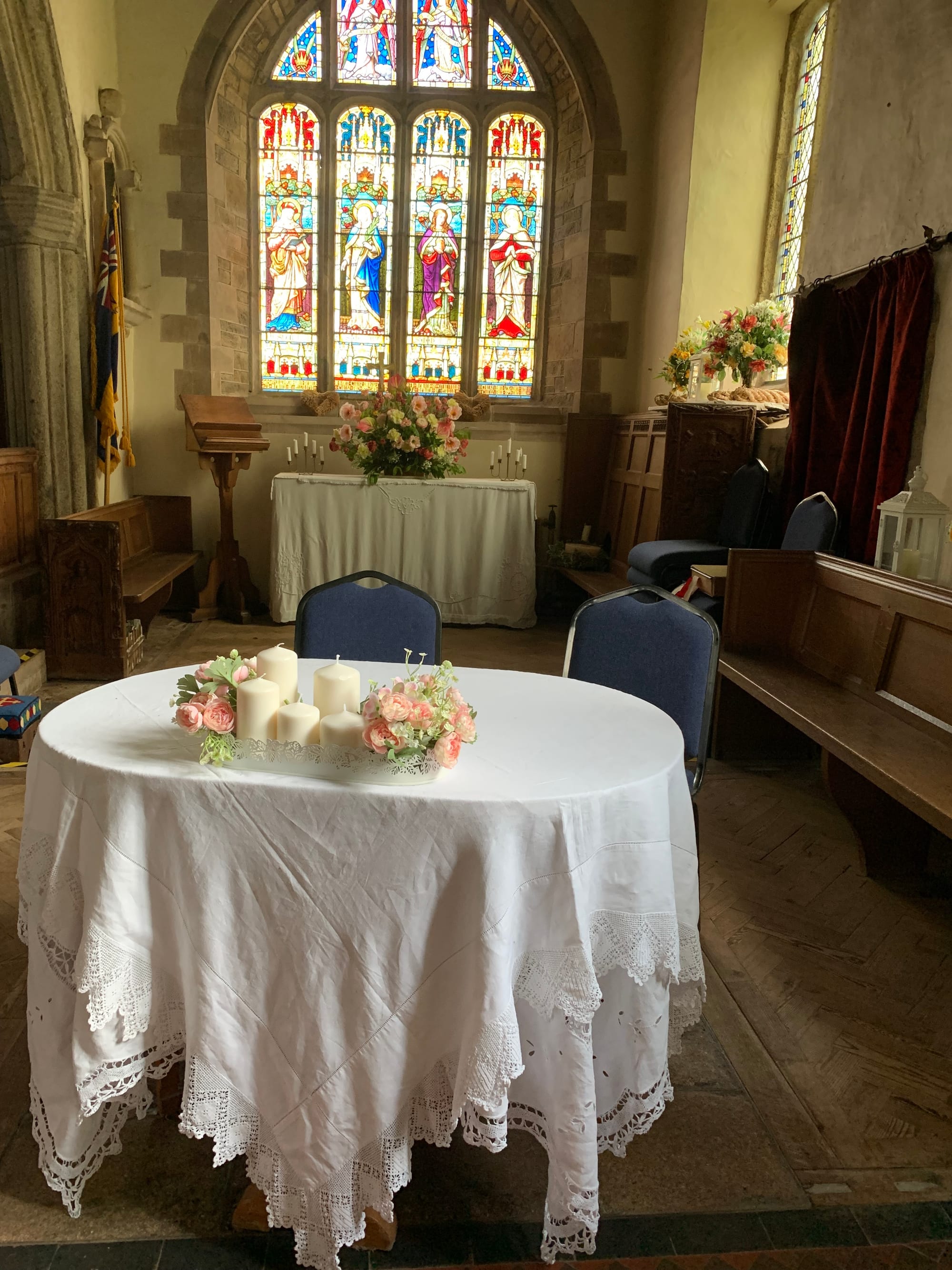
By far the most important and significant part of the church is the magnificent East Window. This dates from the early part of the fourteenth century and Pevsner, in his ‘Buildings of England, North Devon’ suggests that it may be the work of an Exeter Cathedral mason. The small chancel window dates to the same time.
Other notable interior features include the pulpit made in 1665 from wood of a tree grown at nearby Woodhall, the home of the Westlake family and the communion table made in 1890 with old oak from the former rectory buildings.
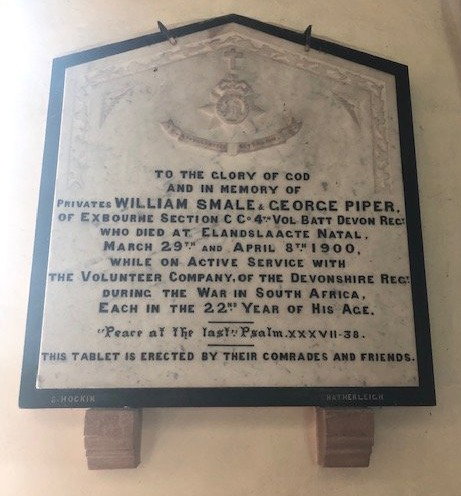
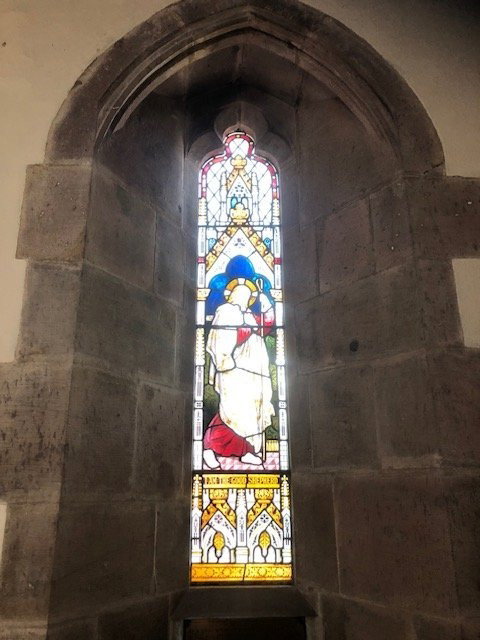
The two memorial windows and three memorial tablets were dedicated to members of prominent local families.
There is a small amount of modestly valued silver ware held in a bank.
The registers date from 1540 and there are churchwardens’ books dating from early in the reign of Charles II, however those that are not in current use are stored in the Exeter Diocesan Archive
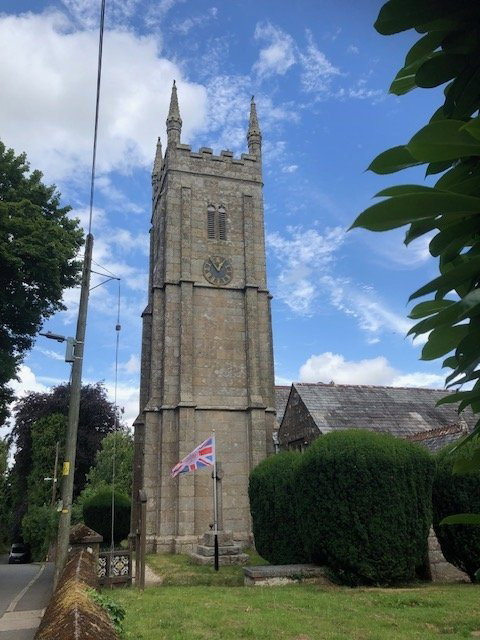
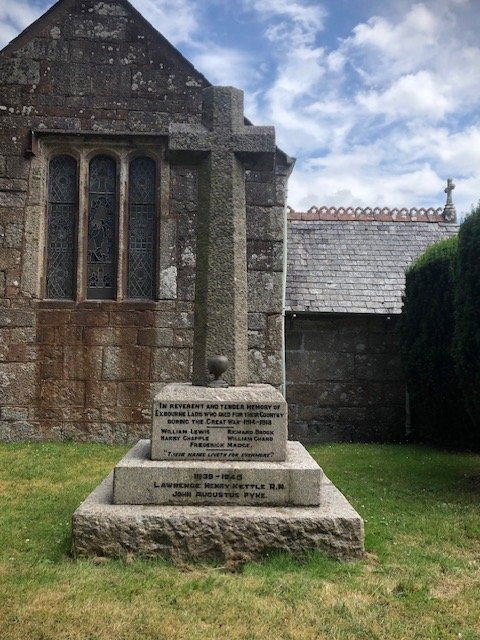
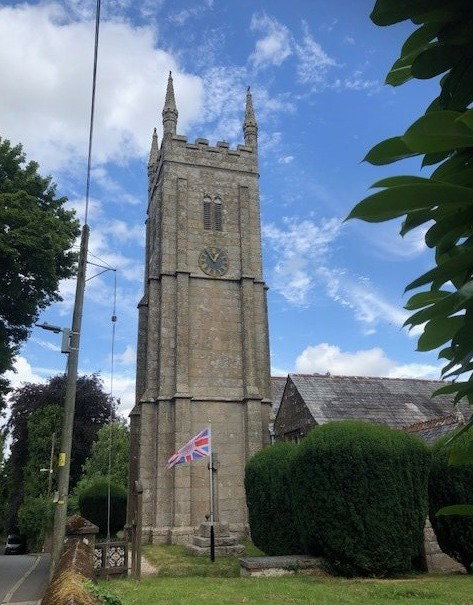
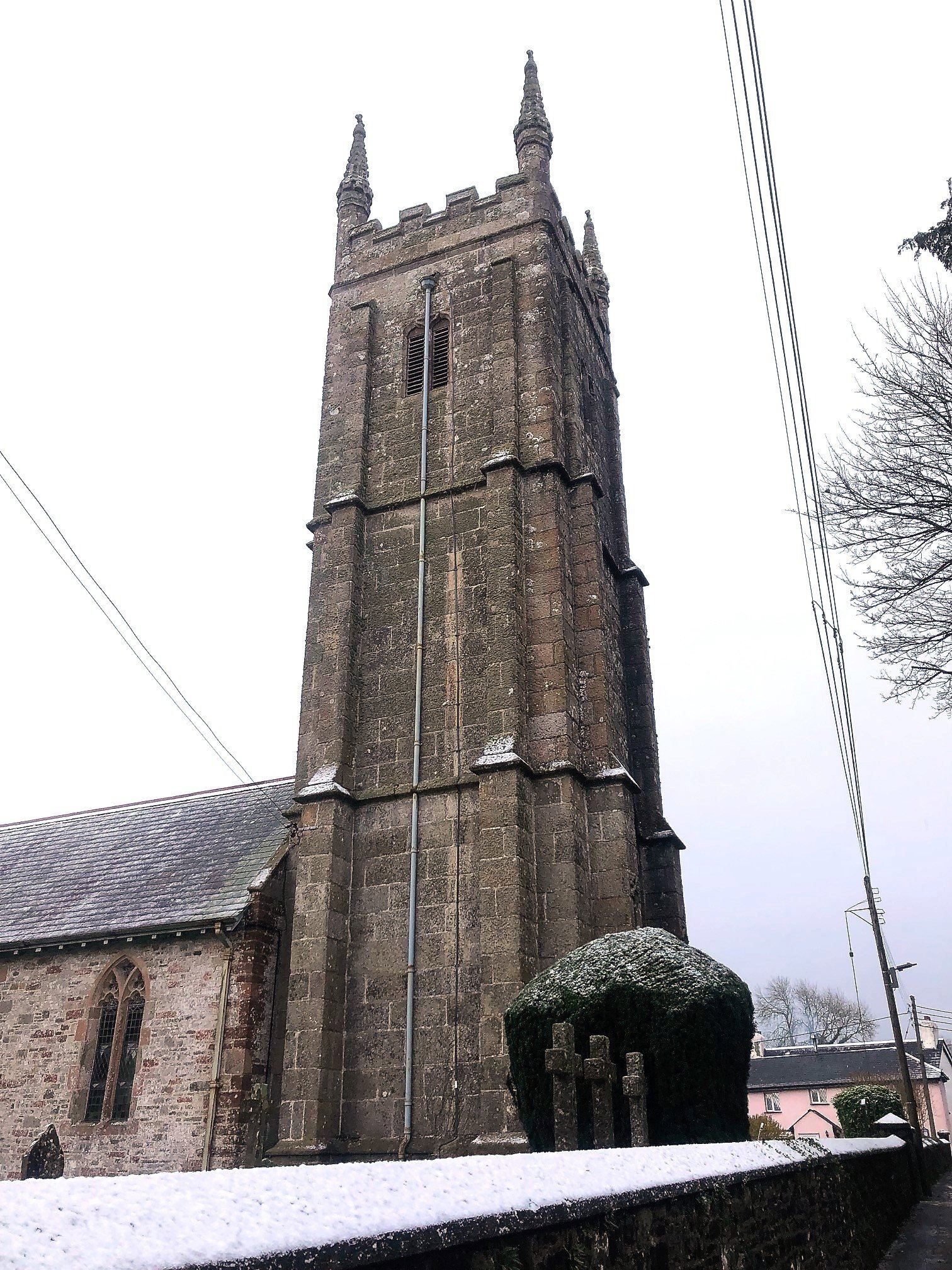
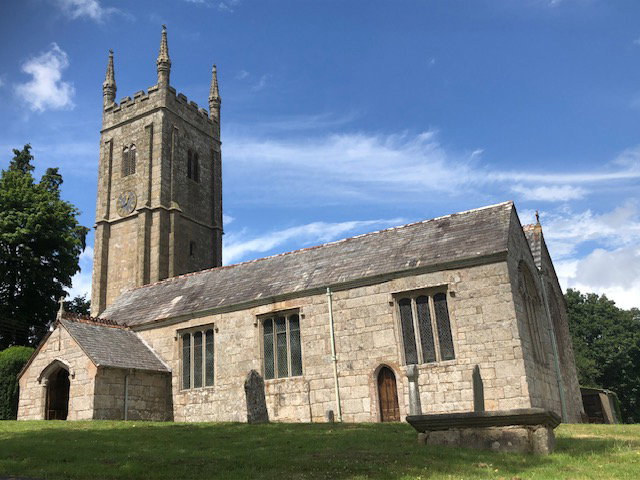
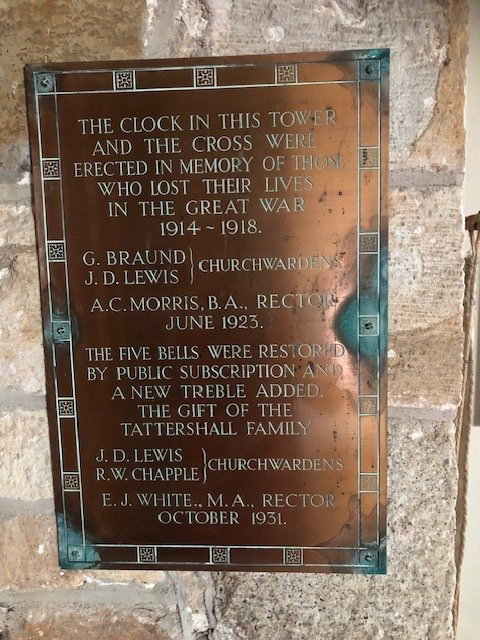
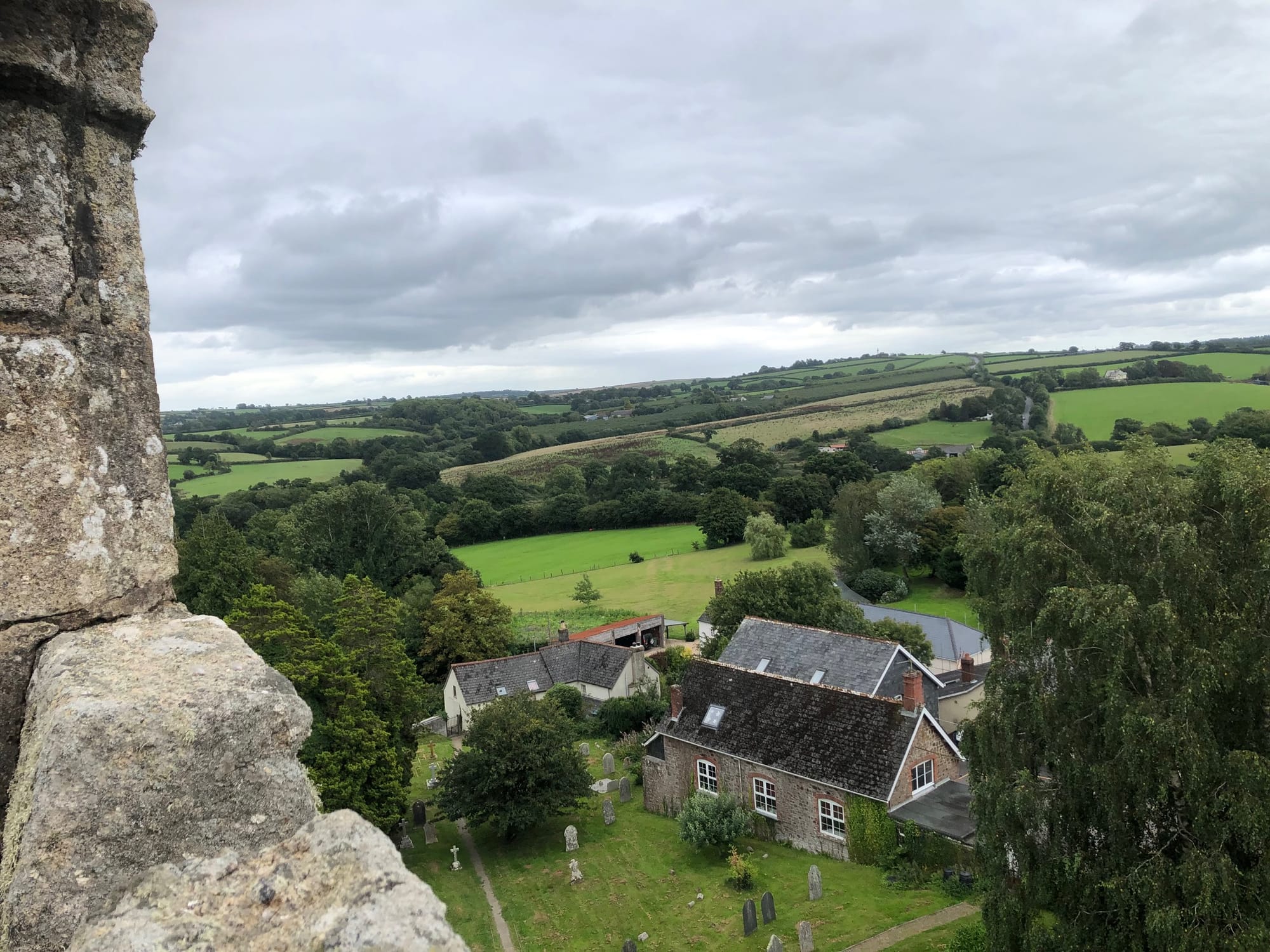
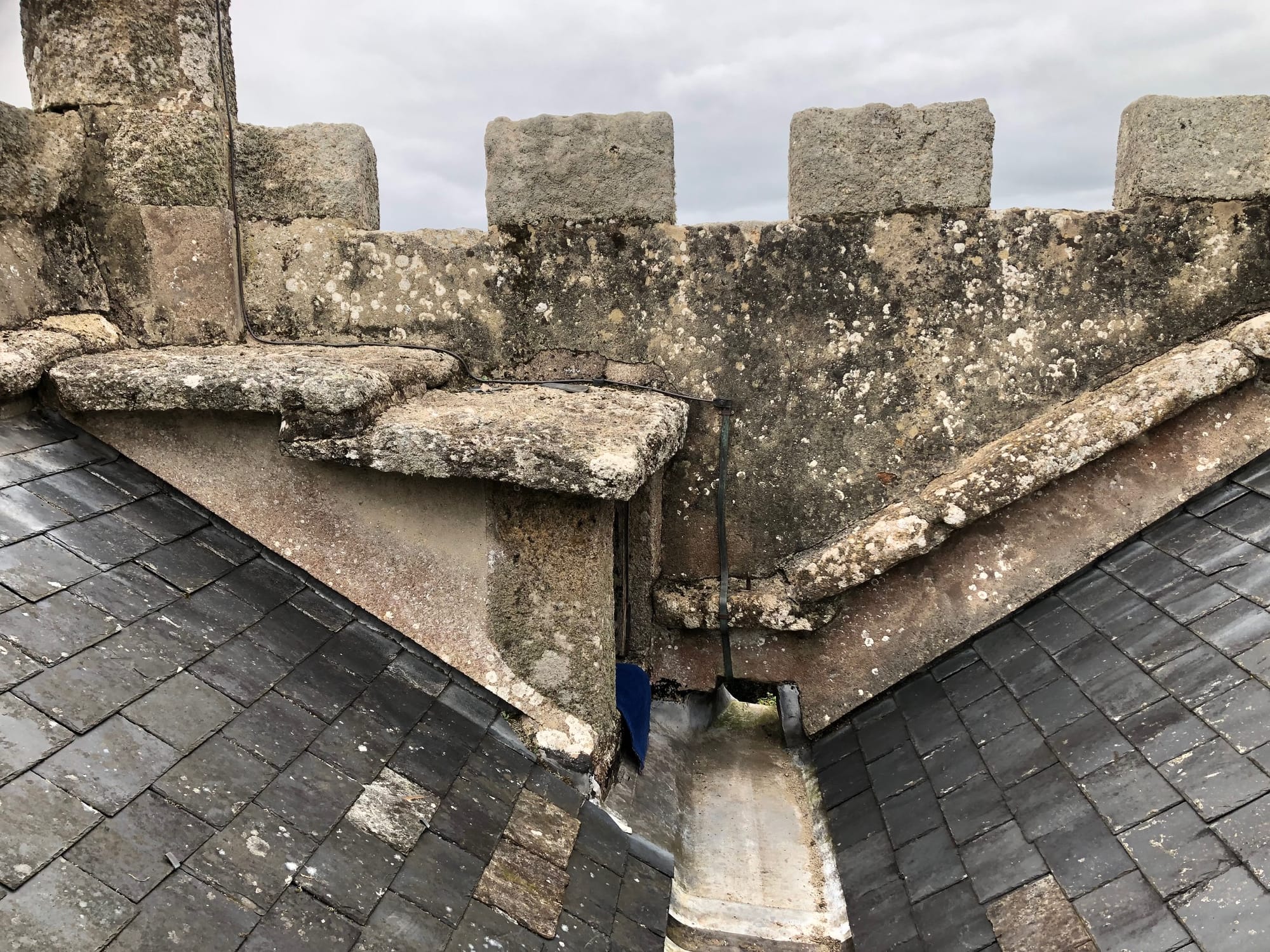
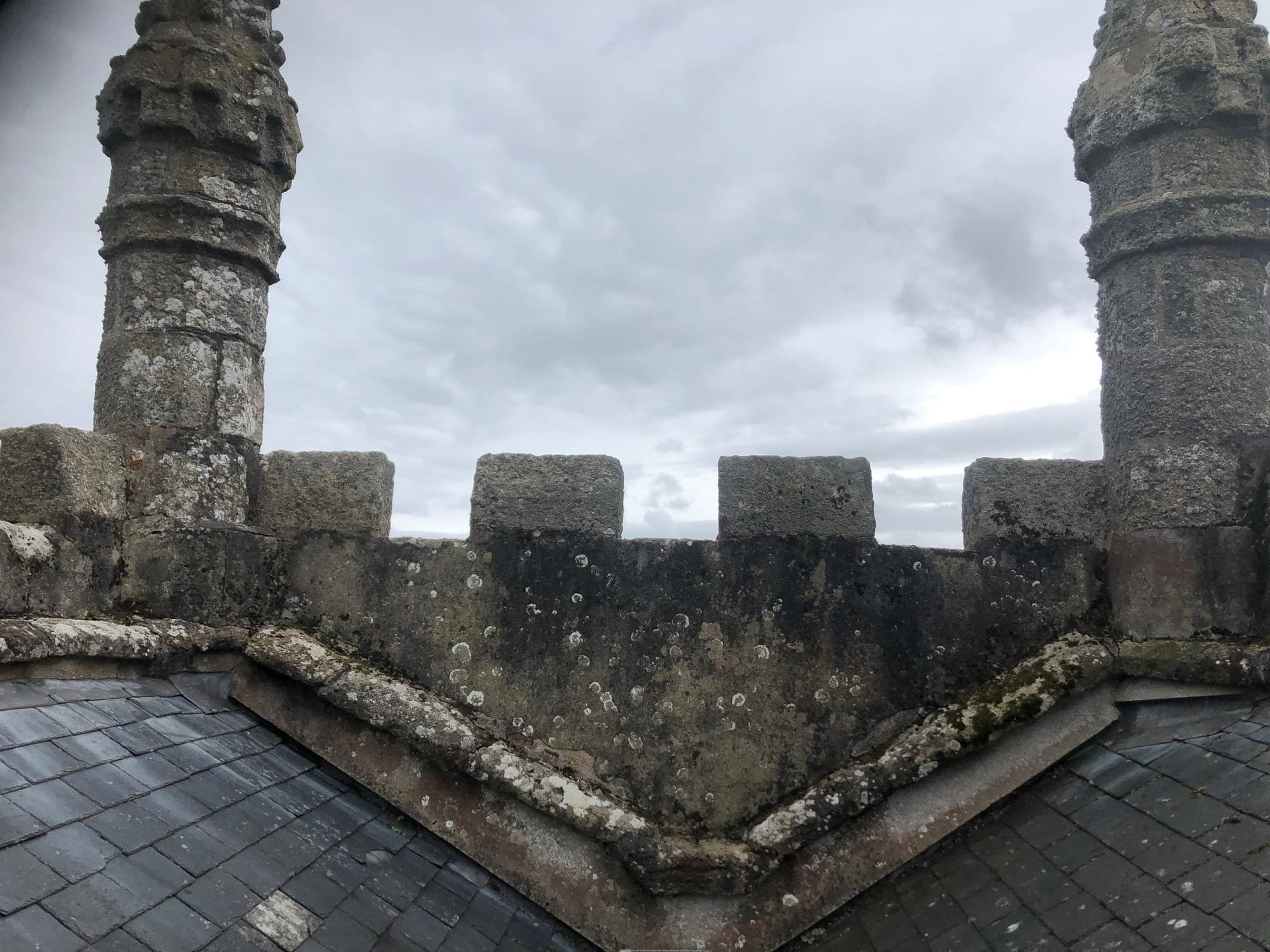
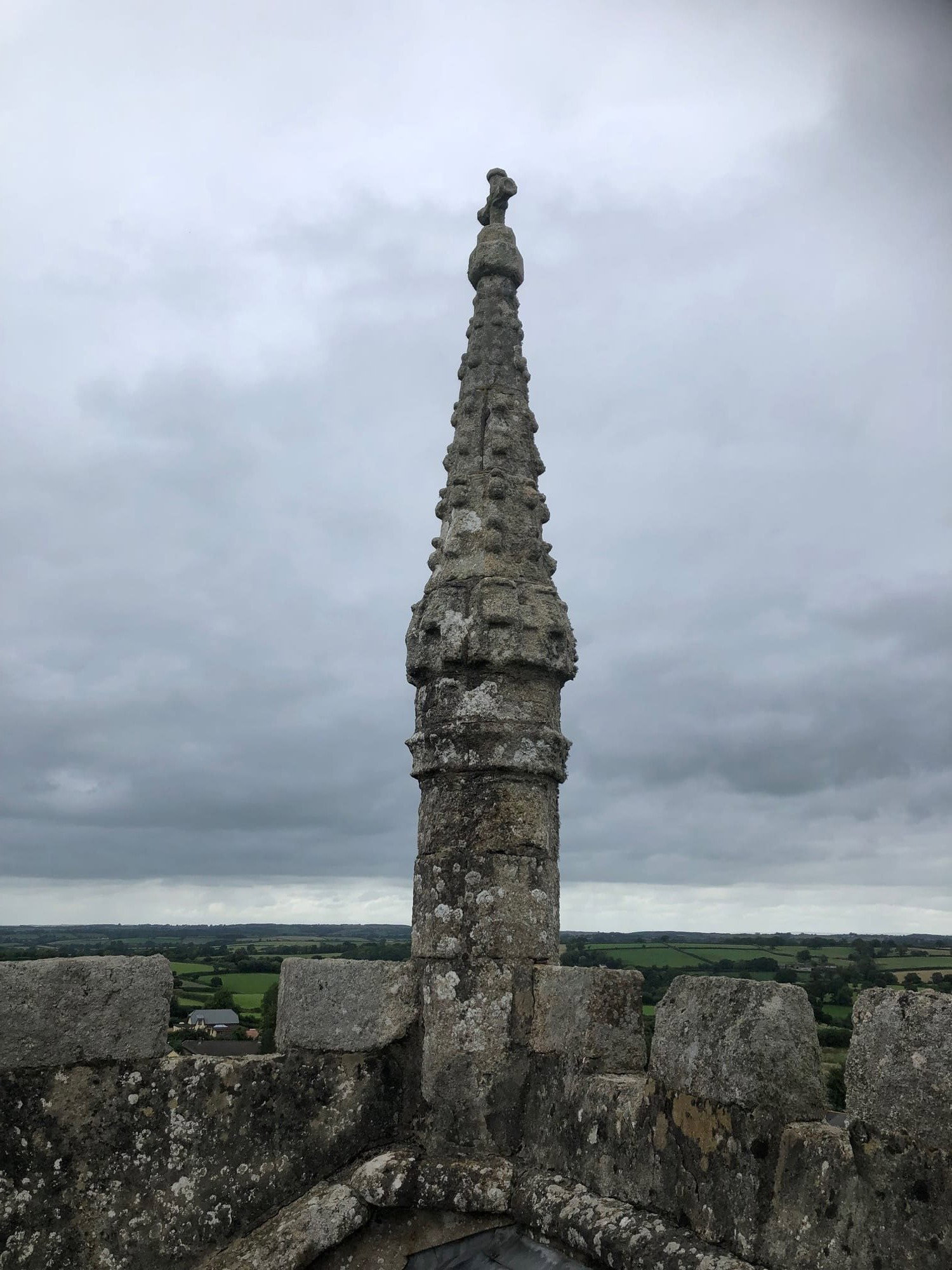
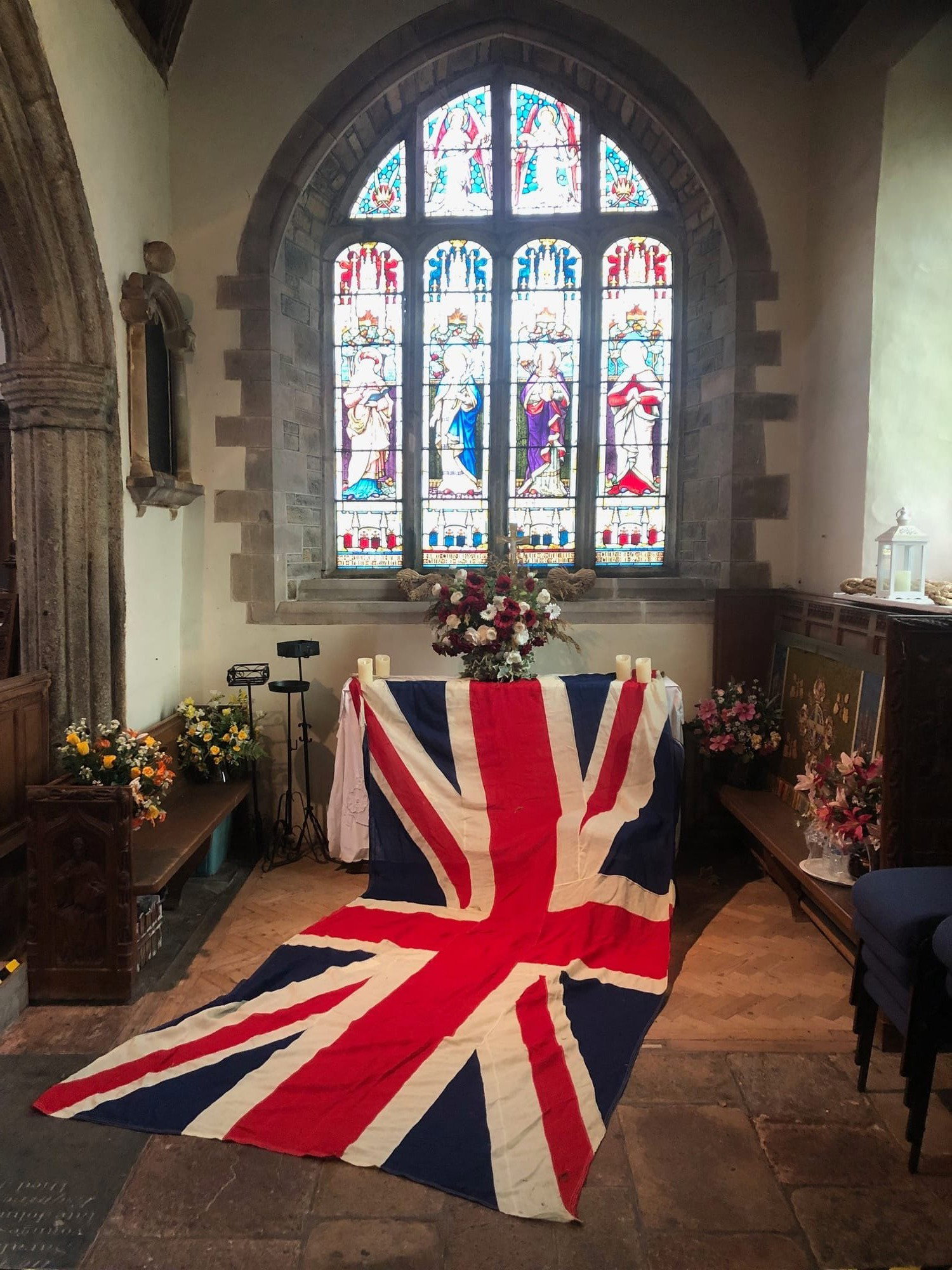
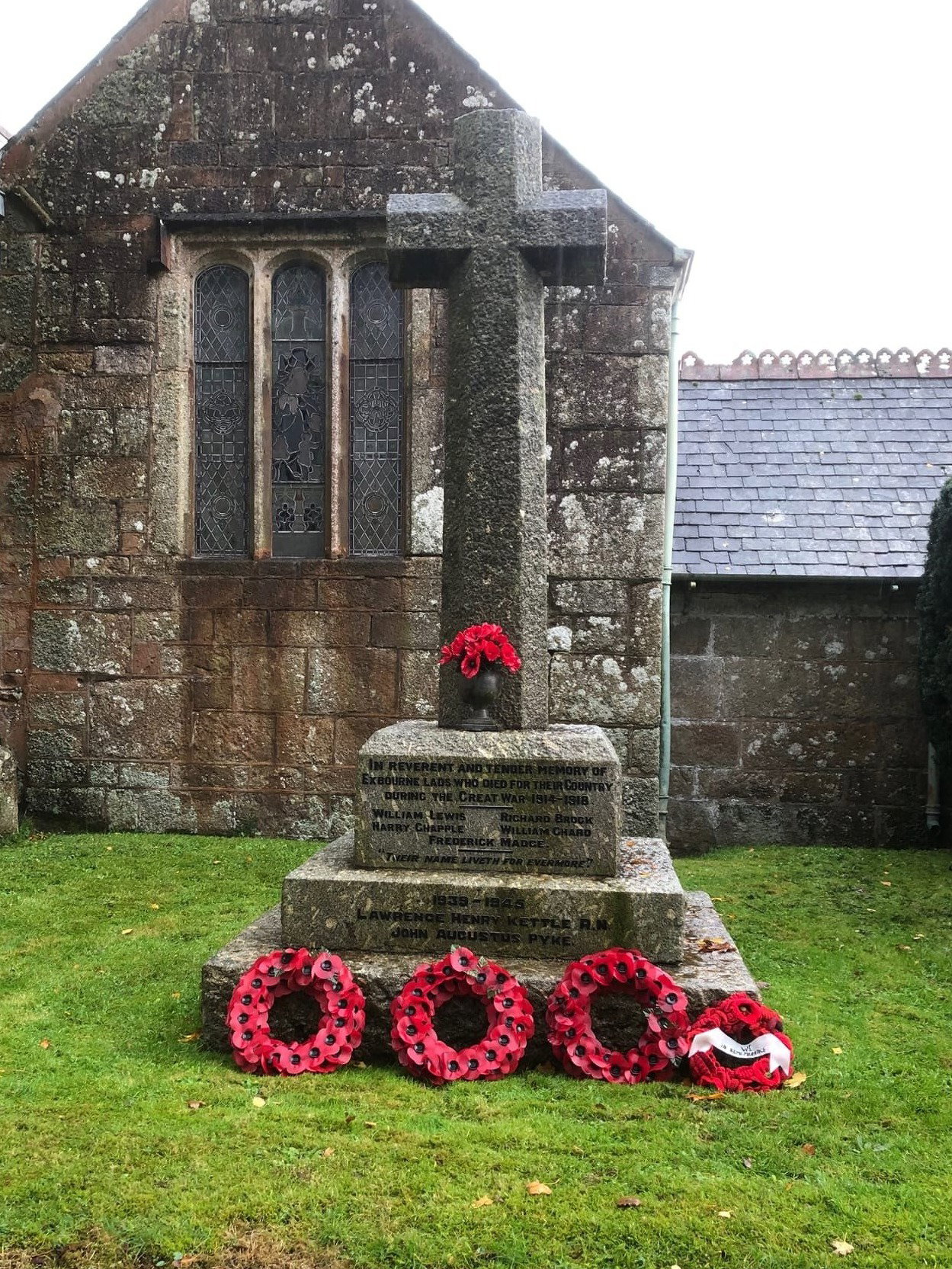
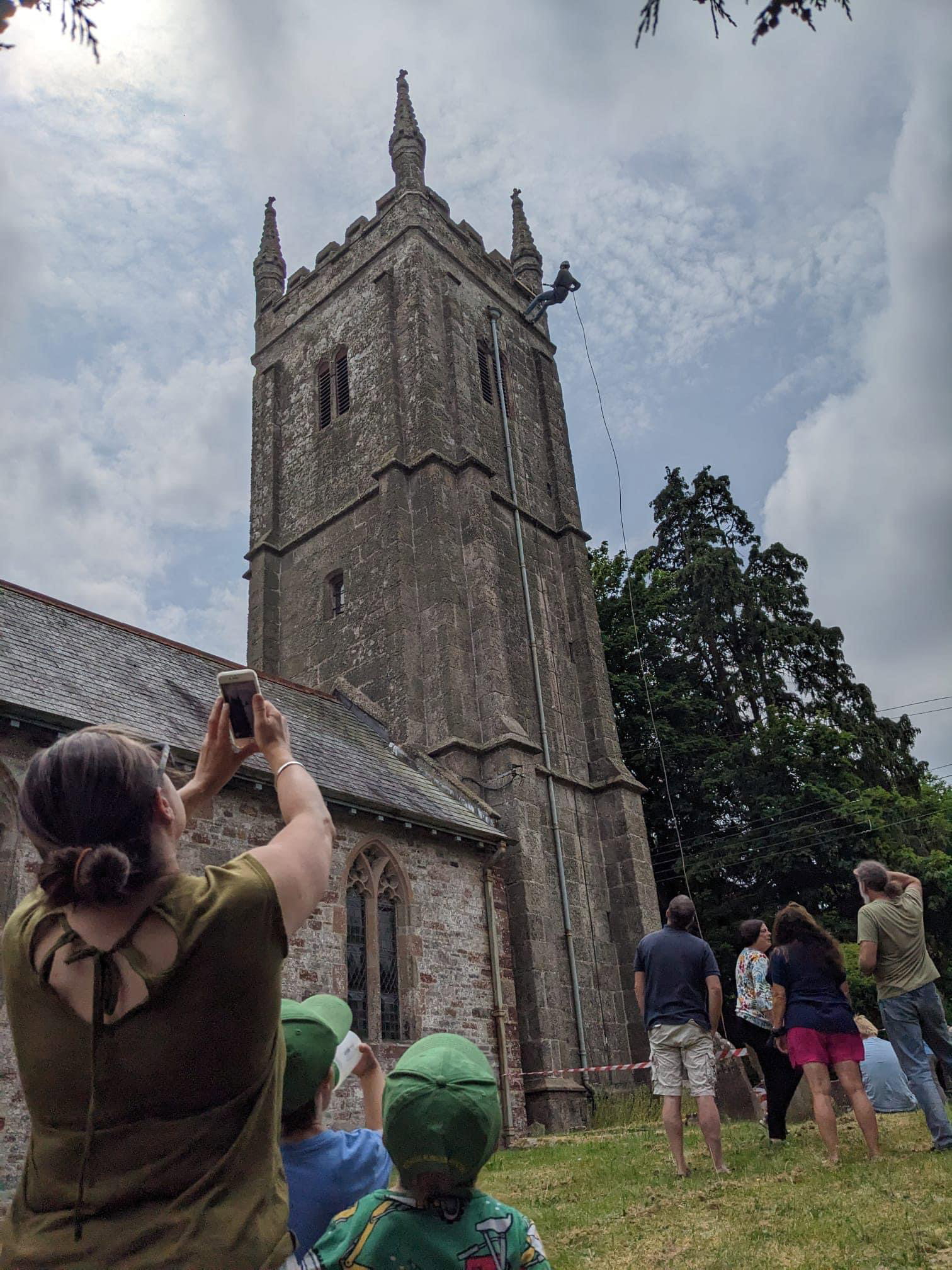
The Tower, built of ashlar granite blocks, is three stage embattled with lofty pinnacles. The six bells were restored in 1931. The clock, together with the granite cross by the porch, is a 1914-18 War Memorial.
The building is generally in good order. However, as with all older buildings, there is ongoing maintenance needed, with regard given to the varying needs of today’s parishioners, and to compliance with current health and safety standards, but remaining sympathetic to the church’s historic value. The churchyard surrounding the church is a continuing challenge to keep in good order.
Despite all the changes in the life of the countryside and the rural church, St.Mary’s stands, as it has through the centuries, as a powerful symbol of the Christian faith in Exbourne. The congregation continues to meet three Sundays per month for worship and praise to the glory of God, supported by an enthusiastic team of bell ringers.
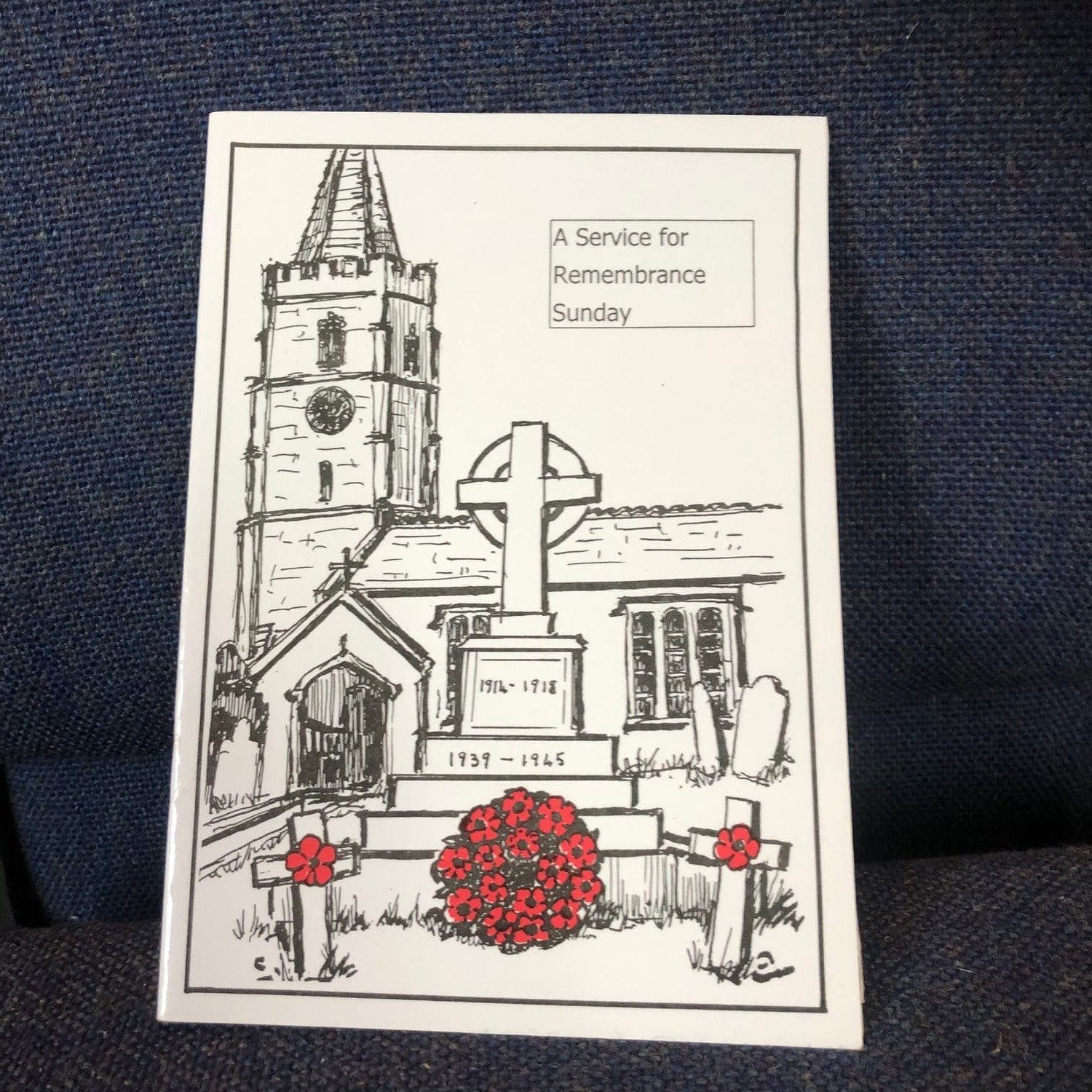
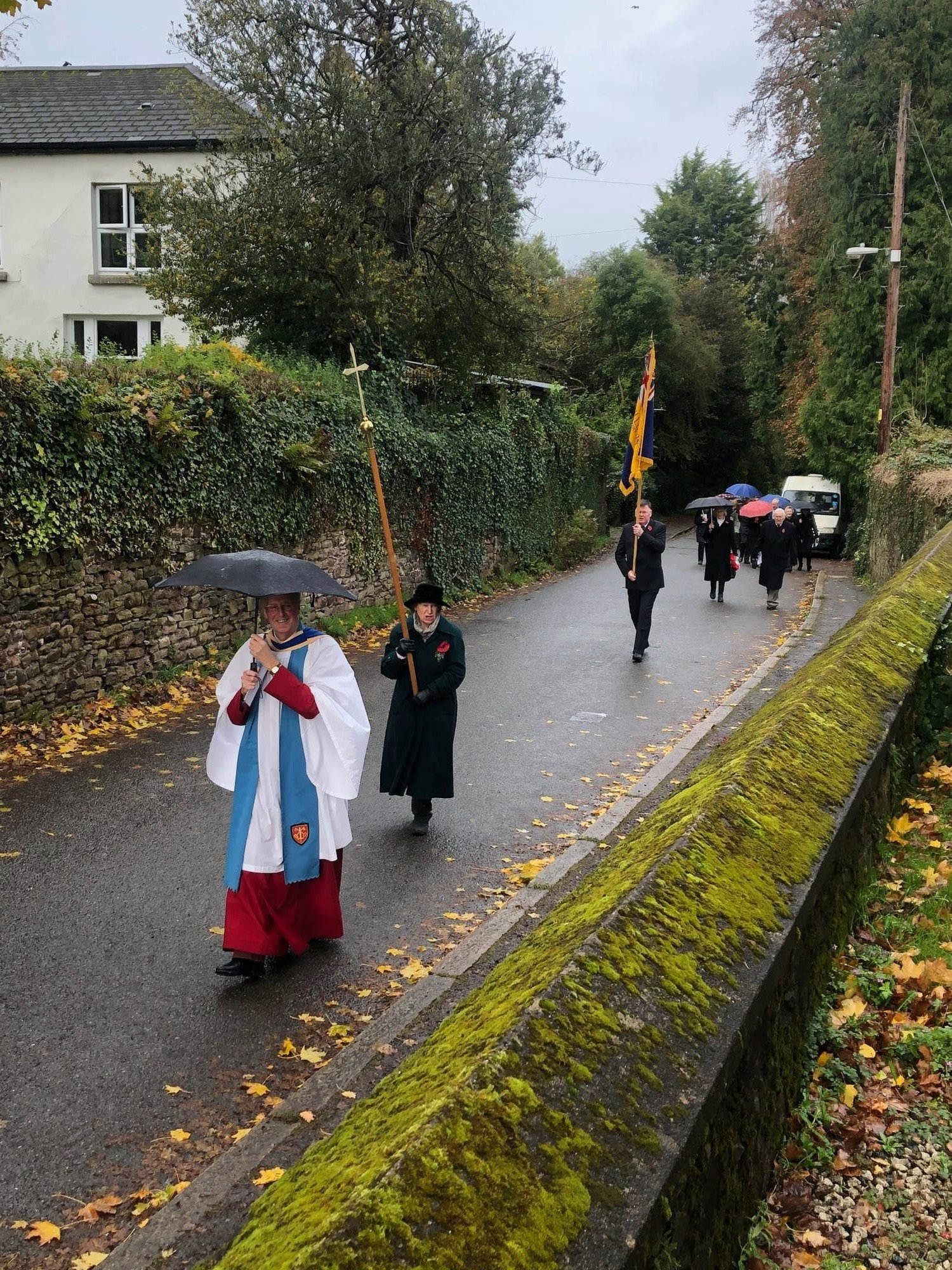
The Church Clock is located on the south facing wall of the tower as can be seen in the top photograph in part 1. It has significant visual and functional impact, for all of Exbourne’s parishioners and visitors to the village. As one drives into the village it is clearly visible and many whether or not they form part of the regular congregation take an active interest whenever the clock is not keeping good time. Clearly it is useful to be sure of the time when approaching the church for a service but it has a much wider usage, for example it can be seen directly from the school yard and gates and is used by children and parents alike on school days. Beyond its visual and practical use the clock has a deep significance to the parishioners because it was originally funded by public subscription as a part of the villagers’ recognition of the ultimate price paid by those who lost their lives in the Great War. The clock faces out over the stone cross war memorial which stands proudly below, both form a major part of the annual ecumenical service of remembrance which takes place each November. The Parish Council contribute to the annual maintenance of the clock.
Bibliography: Exbourne Parish Profile St. Mary’s Church Exbourne Guide Listing Description Buildings of England Devon 2nd Edition – Bridget Cherry and Nikolaus Pesvner
St Mary the Blessed Virgin Church
Articles
How to donate to St Mary the Blessed Virgin Parish Church
Learn MoreThe Bell Ringers of Exbourne
Exbourne Church Tower has six bells which are rung regularly by our team of bellringers. The Exbourne team ring for Church services, weddings, funerals and local and national celebrations.
Learn MoreThe "Victory Clock"
The Clock was built by Smiths of Derby & installed in 1923. Named the Victory Clock, it is a War Memorial dedicated to the brave men from Exbourne who died during The Great 1914-18 War. Sheila White
Learn MoreThe history of St Mary's wood carvings.
Exbourne has some finely carved bench ends by Herbert Reed and Violet Pinwill.
Learn MoreGallery
Find & contact us here
- Exbourne, Okehampton, UK
- EX20 3SQ
- +44-01837 851805 - Church Warden Tim Hawkins
- +44-01837 810610 - Team Vicar Leigh Winsbury
- timhhawkins@yahoo.co.uk
- Mon-Sun- 09:00-17:00
To contact Revd Leigh Winsbury directly please phone Leigh on (01837) 810680 or email iwinsbury@googlemail.com